🇰🇷 eSIM for South Korea
- Unlimited data
- 7-day validity
- Fast and reliable internet
- No more roaming charges
- Instant QR code by email
* As low as price reflects the cheapest per-day rate, based on the longest available unlimited data plan duration.


Why choose us?
See how uPhone compares with other options in South Korea.
eSIM prices for South Korea
All prices in USD
7 days of unlimited data in South Korea costs $46.36 — about $6.62 a day on SK Telecom, KT or LG U+, with no roaming charge and no SIM to swap. In South Korea, 5G is live and median mobile download speed is 145.1 Mbps.
Which networks you connect to in South Korea
Your eSIM roams onto South Korea's own operators. These are the networks and the frequencies they run — check your phone supports them before you travel.
Source: Ookla Speedtest Global Index, July 2025
Coverage in South Korea
Subway and underground coverage is near-universal across all carriers; no significant rural not-spots. Foreign phones lacking B5 (850 MHz) may experience reduced LTE coverage in some indoor and rural areas where SK Telecom and KT rely on B5 for low-band reach.
Enjoy your South Korea vacation
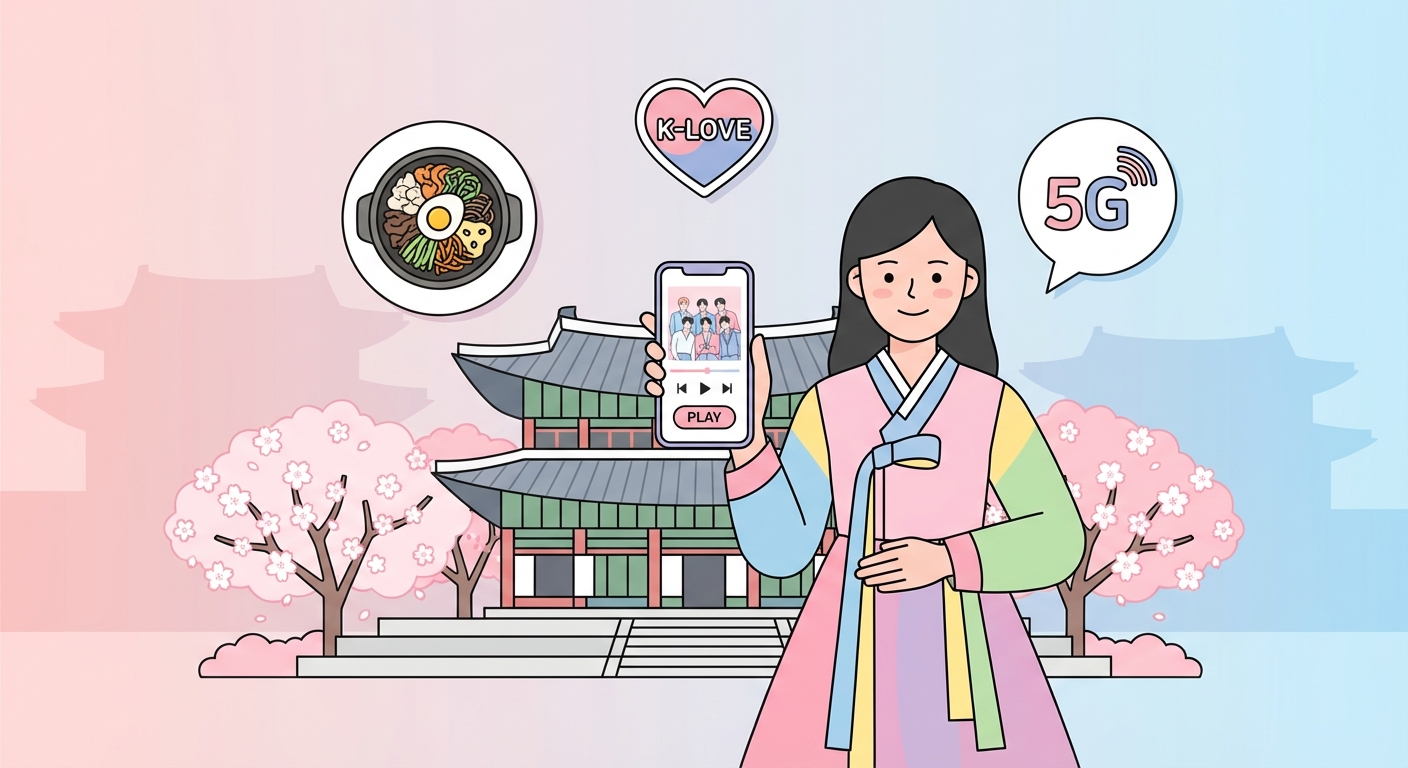
South Korea is one of Asia's most dynamic and distinctive destinations — a country that has preserved 5,000 years of Confucian heritage while simultaneously becoming one of the world's most technologically advanced and culturally influential nations. Seoul's royal palaces sit in the shadow of glass towers; Jeju Island's volcanic landscapes produce UNESCO recognition; the temples of Gyeongju preserve a Silla dynasty treasure trove; and the country's food culture — from street tteokbokki to high-end hansik — is among Asia's most exciting and approachable. The Korean Wave (K-pop, K-dramas, K-beauty) has put South Korea on millions of cultural itineraries. With a uPhone eSIM you'll connect to SK Telecom or KT for blanket 5G coverage across Seoul and major cities from the moment you land at Incheon.
Top attractions in South Korea
South Korea rewards travellers who move beyond Seoul — but Seoul itself easily fills a week. From royal palace complexes to volcanic island landscapes, these are the unmissable highlights.
- Gyeongbokgung Palace & Bukchon, Seoul — The main Joseon dynasty palace is spectacular at the changing of the guard ceremony. Behind it, Bukchon Hanok Village preserves hundreds of traditional Korean homes on steep hillside lanes.
- DMZ & Joint Security Area — The demilitarised zone separating North and South Korea is a sobering and fascinating place to visit — guided tours run daily from Seoul. The JSA at Panmunjom is the only place where you can step into North Korea.
- Jeju Island — A volcanic island with UNESCO-listed lava tube caves, Hallasan mountain (South Korea's highest peak), Jeongbang waterfall and black lava beaches. A short flight from Seoul.
- Bulguksa Temple & Seokguram Grotto, Gyeongju — Two UNESCO World Heritage sites representing the artistic peak of the Silla dynasty — intricate stone Buddhist architecture in a setting of extraordinary tranquillity.
- Myeongdong & Dongdaemun, Seoul — The beating hearts of Korean street food, K-beauty shopping and 24-hour fashion markets. Dongdaemun Design Plaza (DDP) is a stunning Zaha Hadid landmark.
- Seoraksan National Park — Dramatic granite peaks, Buddhist temples and spectacular autumn foliage make this the most beautiful of South Korea's national parks.
Popular foods to try in South Korea
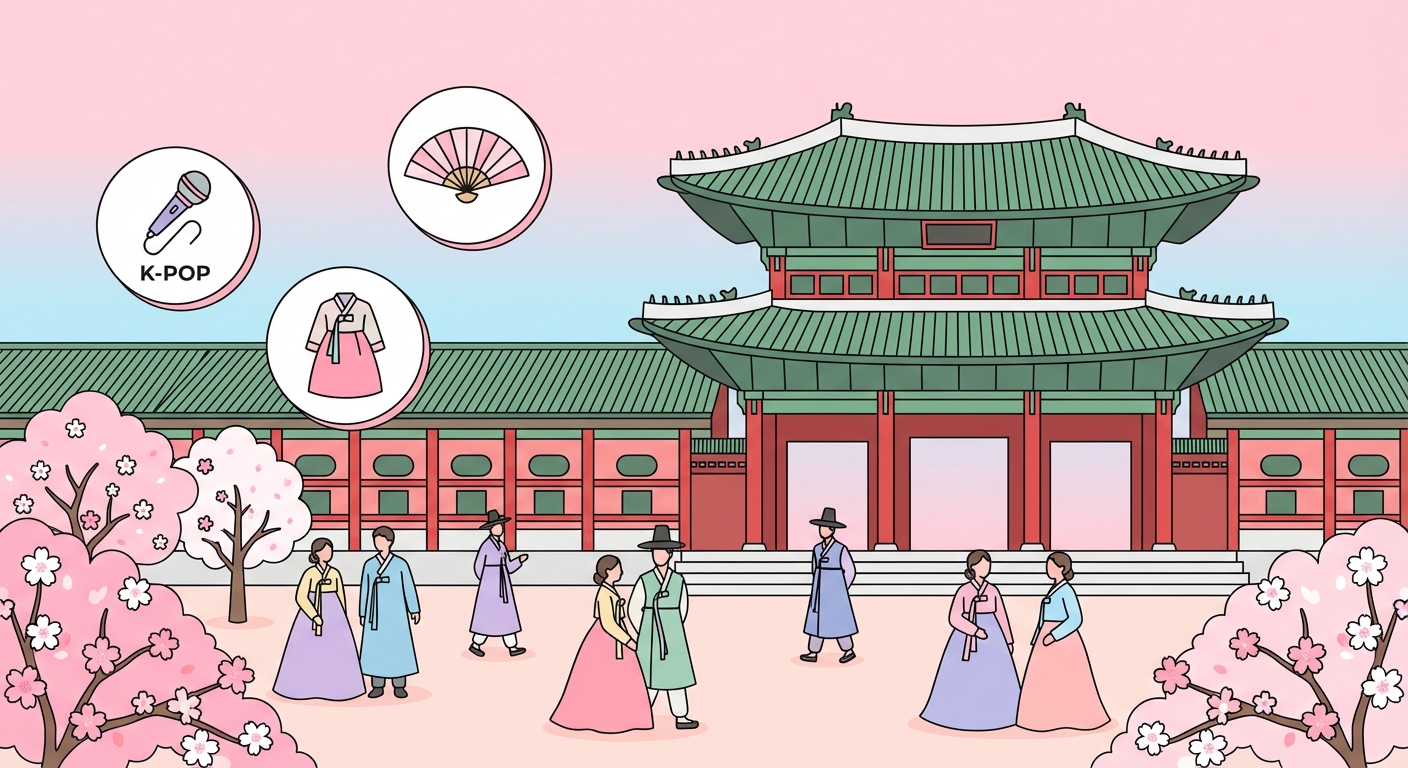
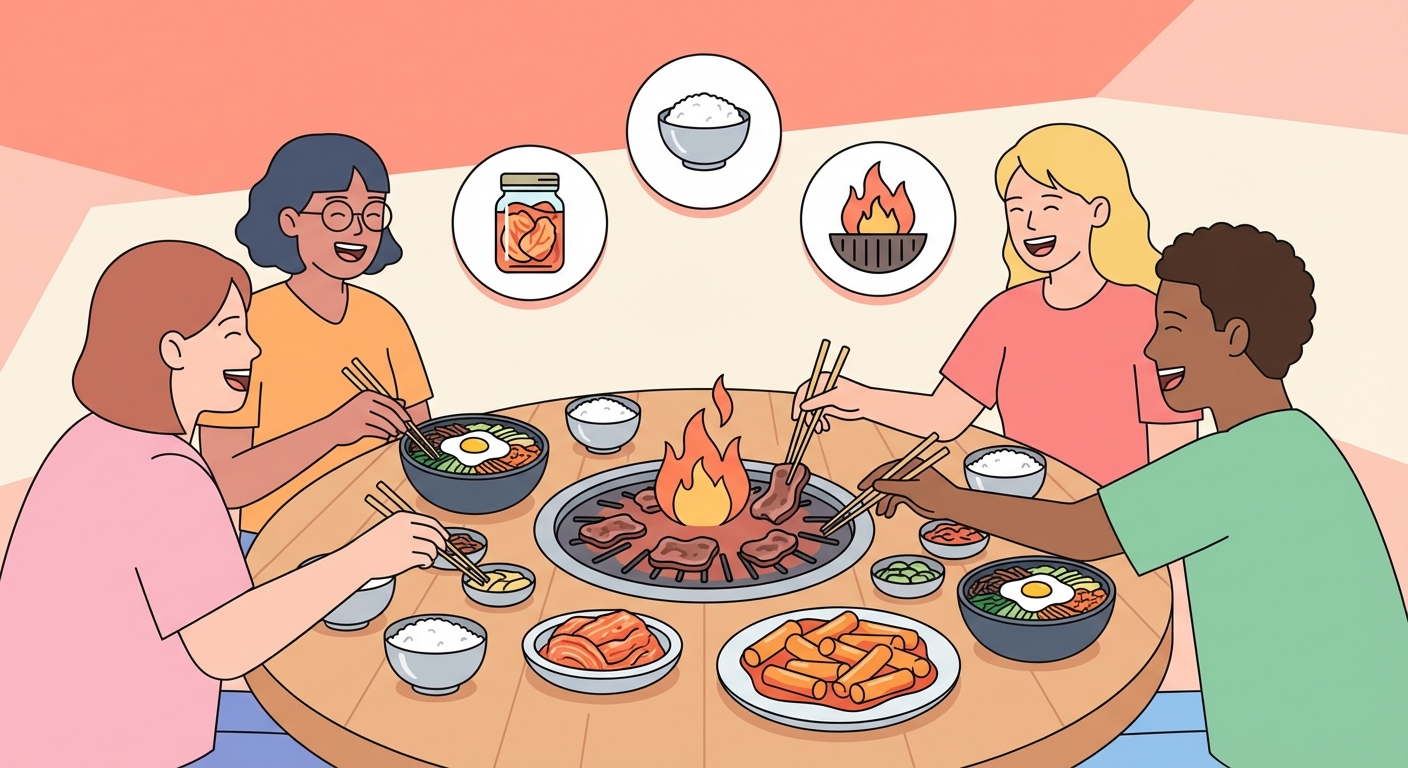
Korean cuisine is built on bold flavours, fermented depth and communal sharing. From barbecue grills built into restaurant tables to the simmering stew pots of traditional pojangmacha stalls, eating in South Korea is an interactive, social and deeply satisfying experience.
- Korean BBQ (Samgyeopsal/Galbi) — Pork belly or short beef ribs grilled at the table, wrapped in sesame leaves with garlic, pickled vegetables and fermented soybean paste. The definitive Korean dining experience.
- Kimchi — Fermented and spiced cabbage (or other vegetables) is served as a banchan (side dish) at every meal. Excellent kimchi is complex, funky and deeply satisfying — a cornerstone of Korean food culture.
- Bibimbap — Rice mixed with seasoned vegetables, gochujang (red chilli paste), egg and sometimes beef, served in a sizzling stone pot that crisps the bottom rice layer. One of Korea's great comfort foods.
- Tteokbokki — Chewy cylindrical rice cakes in a sweet, fiery gochujang sauce with fish cakes and hard-boiled eggs. The most beloved Korean street food snack.
- Sundubu Jjigae — Silken soft tofu in a spicy broth with seafood, pork and an egg cracked in at the table. One of Korea's most warming and comforting stews.
- Chimaek — Korean fried chicken (extremely crispy double-fried) paired with ice-cold beer (maekju). A national obsession best experienced at a neighbourhood chimaek restaurant at night.
Best time to visit South Korea
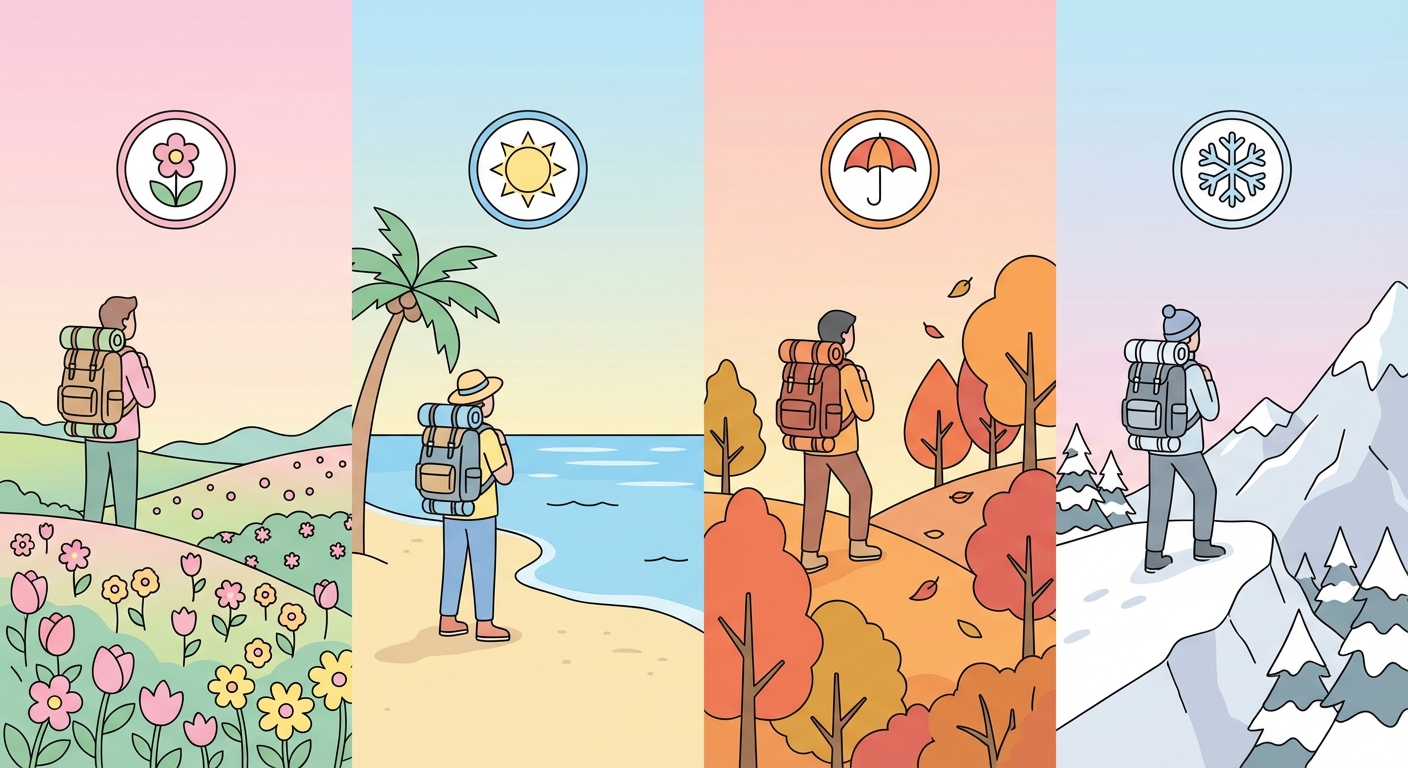
Spring (late March–May) and autumn (September–November) are South Korea's finest seasons and the most popular with international visitors. Spring brings cherry blossoms to Yeouido, Gyeongju and Jeju Island in late March–early April; autumn's foliage peaks in October–November, turning Seoraksan and Naejangsan national parks into a blaze of red and gold.
Summer (June–August) is hot and humid (30–35°C) with a rainy season (jangma) in June–July bringing heavy monsoon rains. Despite the heat, summer brings the Boryeong Mud Festival (July), sea bathing on the east coast and vibrant Seoul nightlife.
Winter (December–February) is bitterly cold in Seoul (-5 to -10°C) but a fantastic time for skiing at Pyeongchang, Muju and Vivaldi Park resorts. Winter also means hot pot restaurants full of warmth, and South Korea's streets are strikingly less crowded with foreign visitors.
What to pack for your visit to South Korea
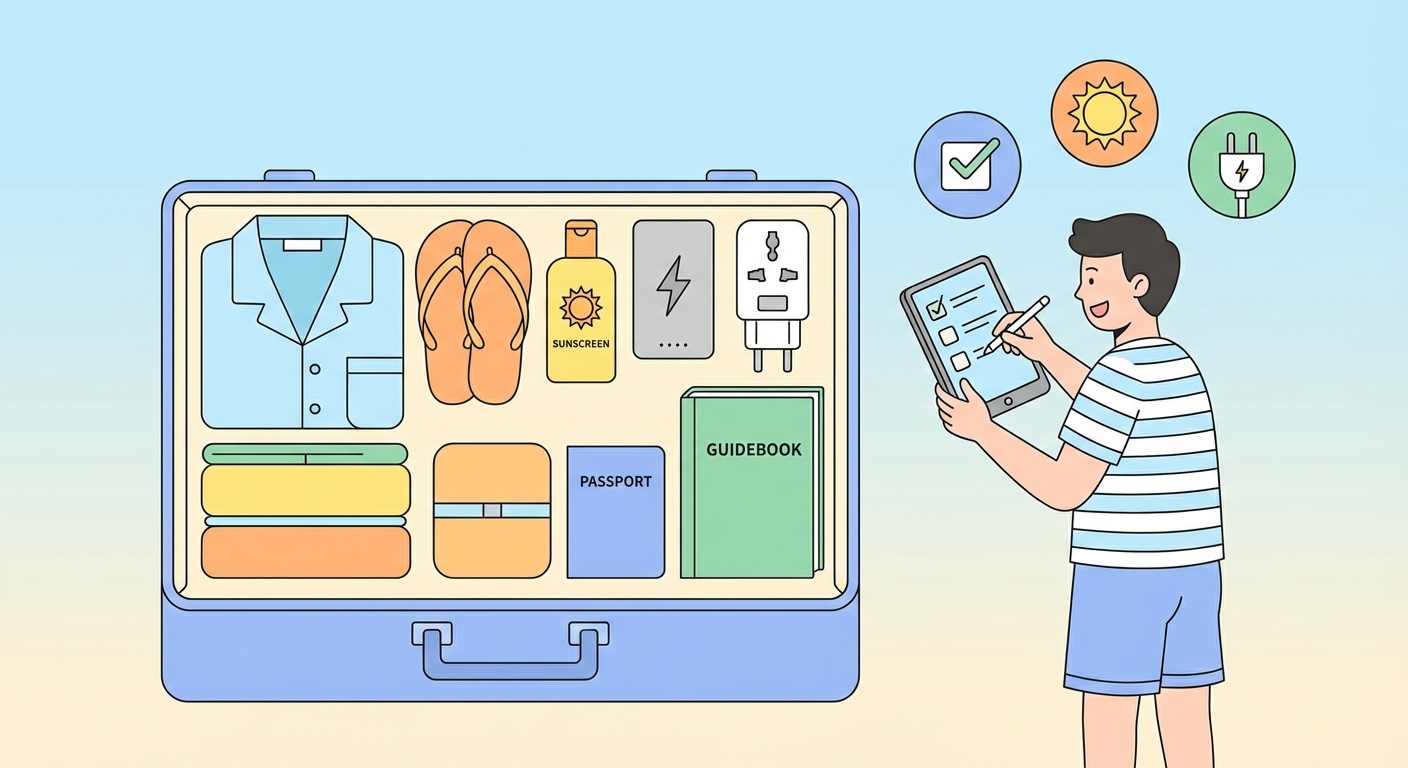
South Korea's four distinct seasons mean packing varies dramatically by travel period. Koreans dress stylishly and tend to dress for the season — matching this approach makes blending in easier.
- Layers for spring/autumn — Temperature swings of 15°C between morning and afternoon are common in spring and autumn. A packable jacket and light layers cover all scenarios.
- Heavy winter coat for December–February — Seoul winters are genuinely cold. A down jacket rated to -15°C, thermal base layers and waterproof boots are necessary.
- Comfortable walking shoes — Seoul's subway system is excellent but the city involves substantial hillside walking. Proper walking shoes prevent blisters on steep hanok village lanes.
- T-money card — Seoul's transit card covers subway, bus and some taxis. Available at all subway station convenience stores.
- Naver Maps app — Google Maps has limited functionality in South Korea due to government mapping restrictions. Download Naver Maps before you arrive.
- Your uPhone eSIM — Activates on SK Telecom or KT for world-class 5G coverage across Seoul, Busan, Jeju and all major Korean cities and transport corridors.
Frequently Asked Questions
Everything you need to know about your South Korea eSIM
Need help? We're here for you.
Questions before or during your trip — our support team is always available via live chat and email. Typical response time under 2 minutes.
Chat with us
Bundle South Korea with other nearby countries.
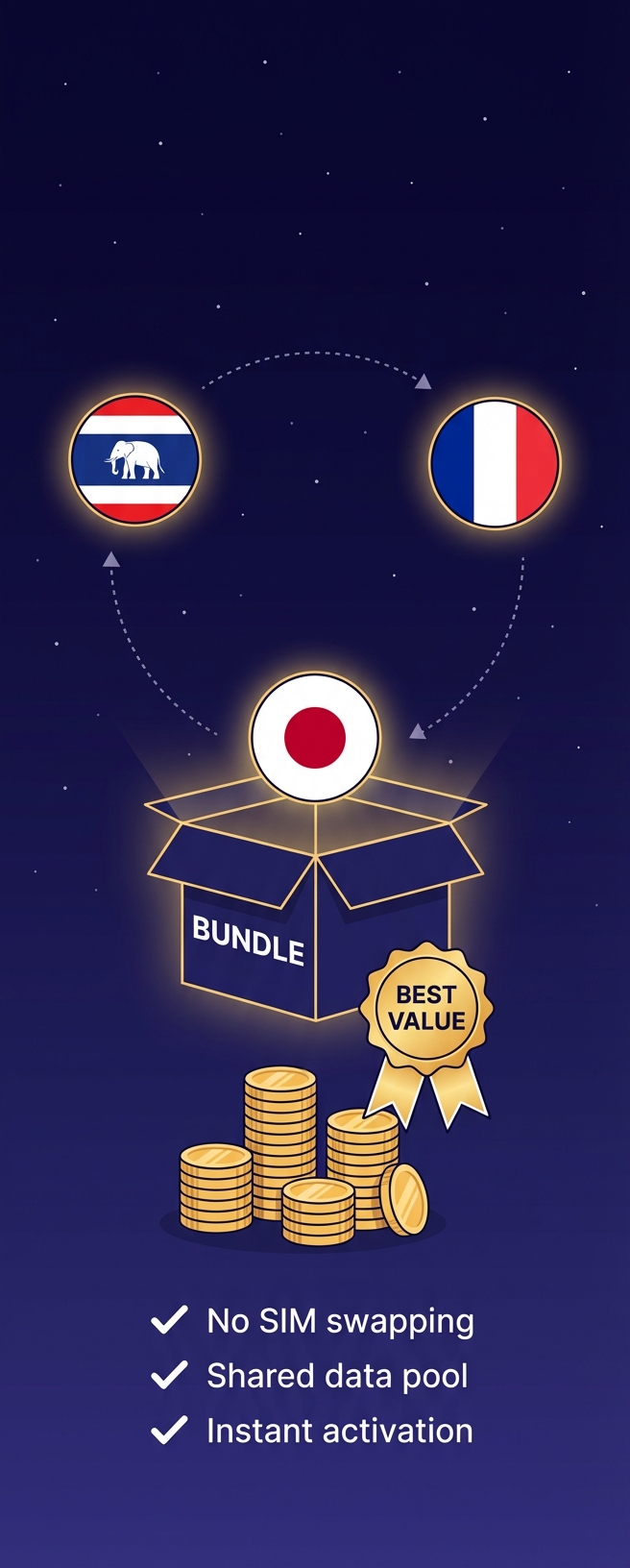
Multiple countries.
Other uPhone eSIM destinations
Explore eSIM plans for more countries around the world.