🇦🇫 eSIM for Afghanistan
- Unlimited data
- 7-day validity
- Fast and reliable internet
- No more roaming charges
- Instant QR code by email
* As low as price reflects the cheapest per-day rate, based on the longest available unlimited data plan duration.







Why choose us?
See how uPhone compares with other options in Afghanistan.
eSIM prices for Afghanistan
All prices in USD
1 GB for 7 days in Afghanistan costs $9.00 — about $1.29 a day on AWCC, Roshan or MTN Afghanistan, with no roaming charge and no SIM to swap.
Which networks you connect to in Afghanistan
Your eSIM roams onto Afghanistan's own operators. These are the networks and the frequencies they run — check your phone supports them before you travel.
Coverage in Afghanistan
No operator has a live public 5G network. 4G coverage is concentrated in urban areas; large rural areas have only 3G or 2G service, and mountainous regions often have no service at all.
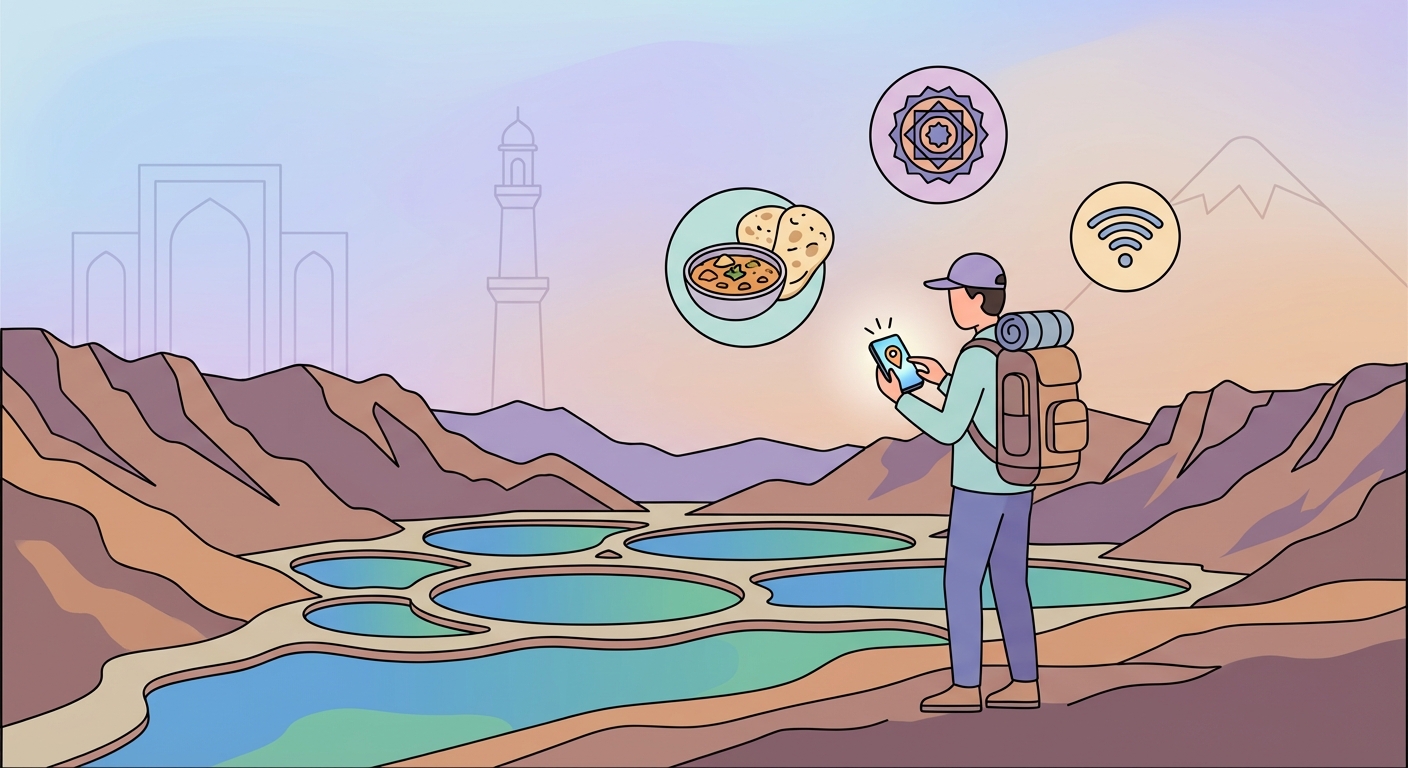
Enjoy your Afghanistan vacation
Afghanistan is a land of breathtaking mountain ranges, ancient Silk Road heritage, and warm hospitality that captivates adventurous travelers seeking authentic cultural experiences. From the stunning Hindu Kush peaks to historic cities steeped in Islamic architecture and art, this Central Asian gem offers treasures that few have explored. The country's rich history spans thousands of years, evident in its archaeological sites, bazaars, and traditional crafts. A uPhone eSIM keeps you connected from the moment you land, allowing you to navigate, share your discoveries, and stay in touch effortlessly.
Top attractions in Afghanistan
Afghanistan's attractions reflect millennia of history and natural splendor, from UNESCO World Heritage sites to dramatic mountain landscapes. Visitors can explore ancient cities, visit sacred sites, and trek through some of Asia's most spectacular terrain.
- Band-e Amir National Park — A stunning series of deep blue lakes surrounded by dramatic limestone cliffs, perfect for hiking and photography in this protected natural area.
- Bamiyan Valley — Home to ancient Buddhist heritage and stunning mountain scenery, this UNESCO site offers insight into Afghanistan's pre-Islamic history.
- Kabul Museum — Houses one of the world's most important collections of Islamic and ancient artifacts spanning Afghanistan's diverse civilizations.
- Herat Citadel — An imposing fortress in western Afghanistan showcasing stunning Islamic architecture and panoramic city views.
- Panjshir Valley — A scenic mountain valley renowned for its emerald river, traditional villages, and alpine landscapes ideal for trekking.
Popular foods to try in Afghanistan
Afghan cuisine is a flavorful blend of Persian, Central Asian, and Indian influences, featuring aromatic spices, fresh herbs, and traditional cooking methods passed down through generations. The food culture reflects Afghanistan's position on the historic Silk Road and its diverse regional traditions.
- Kabuli Palaw — Fragrant basmati rice cooked with tender lamb, chickpeas, and caramelized carrots, served as the national dish at celebrations.
- Mantu — Steamed dumplings filled with spiced ground meat and topped with yogurt sauce and lentil gravy, a beloved comfort food.
- Ashak — Thin pasta pockets filled with leeks and served with meat sauce and yogurt, representing Afghan culinary craftsmanship.
- Chapli Kebab — Spiced ground beef kebabs mixed with herbs and potatoes, grilled to perfection and served with fresh bread.
- Bolani — Stuffed flatbread filled with potatoes, spinach, or pumpkin, fried until crispy and traditionally served with yogurt and pickles.
Best time to visit Afghanistan
The best time to visit Afghanistan is spring (April to May) and early autumn (September to October), when temperatures are mild and the landscape is at its most beautiful. Spring brings wildflower blooms and flowing rivers, while autumn offers clear skies and perfect hiking conditions with comfortable daytime temperatures ranging from 20-25°C (68-77°F).
Summer (June to August) can be extremely hot in lower elevations, with temperatures exceeding 35°C (95°F), though mountain regions remain cooler. Winter (November to March) brings snow to mountain passes and can make travel difficult, though it offers unique landscapes for those well-prepared. The safest and most accessible travel window is generally September through early November.
What to pack for your visit to Afghanistan
Afghanistan's diverse landscape and conservative culture require thoughtful packing, from weather-appropriate clothing to respectful attire suitable for visits to religious and cultural sites. Prepare for significant elevation changes and varying temperatures across regions.
- Lightweight, modest clothing — Pack long sleeves, long pants, and loose-fitting garments to respect local customs and protect from intense sun and altitude.
- Sturdy hiking boots — Essential for trekking in mountain regions and navigating uneven terrain throughout rural attractions.
- Sun protection — High SPF sunscreen, sunglasses, and a wide-brimmed hat are crucial due to intense UV exposure at high elevations.
- Warm layers — Even in summer, mountain areas cool dramatically at night, so pack sweaters and fleece jackets.
- Reusable water bottle — Stay hydrated in the dry mountain air and at high altitudes where dehydration occurs quickly.
- Your uPhone eSIM — Works seamlessly with local networks including AWCC, Roshan, and MTN Afghanistan, providing reliable coverage in major cities and many rural areas for navigation and emergency communication.
Frequently Asked Questions
Everything you need to know about your Afghanistan eSIM
Need help? We're here for you.
Questions before or during your trip — our support team is always available via live chat and email. Typical response time under 2 minutes.
Chat with us
Other uPhone eSIM destinations
Explore eSIM plans for more countries around the world.