🇪🇸 eSIM for Spain
- Unlimited data
- 7-day validity
- Fast and reliable internet
- No more roaming charges
- Instant QR code by email
* As low as price reflects the cheapest per-day rate, based on the longest available unlimited data plan duration.





Why choose us?
See how uPhone compares with other options in Spain.

eSIM prices for Spain
All prices in USD
7 days of unlimited data in Spain costs $16.22 — about $2.32 a day on Movistar, Vodafone ES or Orange ES, with no roaming charge and no SIM to swap. In Spain, 5G is live and median mobile download speed is 53.8 Mbps.
Which networks you connect to in Spain
Your eSIM roams onto Spain's own operators. These are the networks and the frequencies they run — check your phone supports them before you travel.
Source: Ookla Speedtest Global Index, July 2025
Coverage in Spain
Spain mandates 3G shutdown by 2025; all operators now 4G/5G only. Rural areas in mountainous northern regions (e.g. Picos de Europa, parts of the Pyrenees) have limited or no service. B20 (800 MHz) and B28 (700 MHz) are key for rural coverage; some foreign phones (e.g. US-market models) lack B20.

Enjoy your Spain vacation
Spain operates on its own exuberant terms — a country where dinner starts at 10pm, afternoons pause for rest, and entire cities transform overnight for week-long festivals. Flamenco rhythms echo through Seville's whitewashed barrios; Gaudí's Sagrada Família rises in impossible organic splendour over Barcelona's grid; pintxos bars in San Sebastián serve some of Europe's finest food in a city the size of a small town. Spain's landscapes are equally dramatic — the Sierra Nevada, the Camino de Santiago, the volcanic Canary Islands, the Mediterranean Costa Brava. With a uPhone eSIM active before arrival, you'll immediately connect to Movistar, Vodafone or Orange España networks for seamless navigation, translation and travel apps throughout your trip.
Top attractions in Spain
Spain's attractions span three millennia of civilisation — Moorish palaces, Gothic cathedrals, modernist masterpieces and wild national parks. These are the unmissable highlights.
- Sagrada Família, Barcelona — Gaudí's unfinished masterpiece — a basilica of organic stone that defies categorisation. Book tickets with a tower access option weeks in advance.
- Alhambra, Granada — The supreme achievement of Moorish architecture in Europe: geometric tilework, carved stucco, reflecting pools and fortress towers above the city. Tickets sell out months ahead — book the moment you fix your dates.
- Prado Museum, Madrid — Velázquez's Las Meninas, Goya's Black Paintings, Bosch's Garden of Earthly Delights — one of the world's greatest collections of European painting.
- Park Güell & Gothic Quarter, Barcelona — Gaudí's mosaic-tiled park overlooks the city; below, the medieval Gothic Quarter hides Roman walls, tapas bars and hidden squares.
- Real Alcázar, Seville — A still-functioning royal palace of extraordinary Mudéjar craftsmanship — used as a filming location for Game of Thrones' Dorne scenes.
- Camino de Santiago — The legendary 800km pilgrimage route across northern Spain culminates at the grand Cathedral of Santiago de Compostela. Walk even a section for an unforgettable experience.

Popular foods to try in Spain
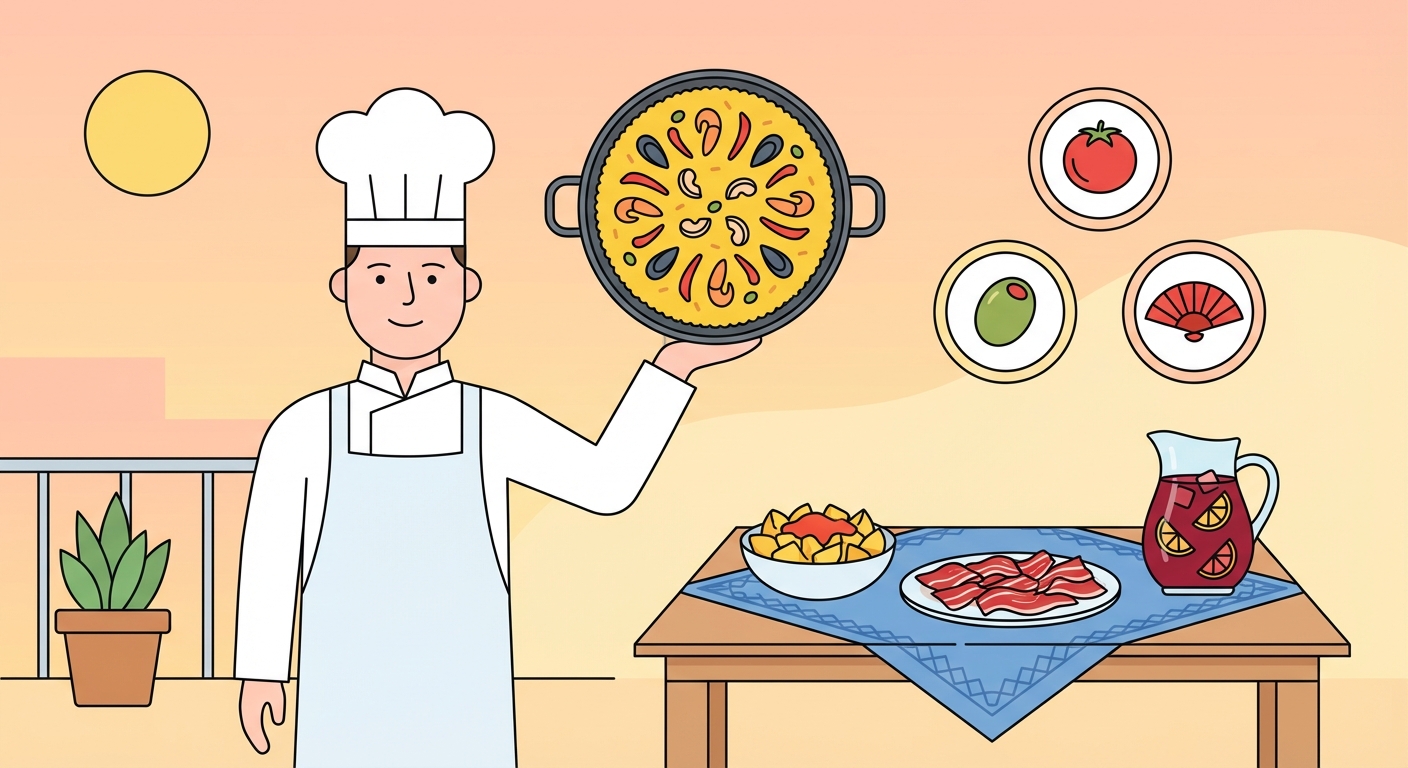
Spanish food culture centres on socialising, sharing and local ingredients — from the pintxos bars of the Basque Country to the seafood paella of Valencia and the jamón ibérico of Extremadura. Eating in Spain is a slow, social, deeply pleasurable activity.
- Jamón Ibérico de Bellota — Acorn-fed Iberian ham, air-cured for up to 48 months and sliced paper-thin. The finest expression has deep, nutty, complex flavour unlike any other cured meat.
- Paella Valenciana — The authentic version uses chicken, rabbit and green beans — not seafood. Cooked in a flat pan over orange wood, with the socarrat (crispy rice crust) at the bottom the most prized element.
- Tortilla Española — A thick potato and egg omelette, served warm or at room temperature as a tapa. Every Spanish home and bar makes it slightly differently — debate over whether to include onion is national.
- Pintxos (San Sebastián) — The Basque Country's answer to tapas: small rounds of bread topped with extraordinary combinations of seafood, cheese and cured meat. Bar-hop the Parte Vieja in the evening.
- Gazpacho & Salmorejo — Andalusia's cold soups: Gazpacho is a refreshing blend of tomato, cucumber and pepper; Salmorejo is thicker, richer, topped with jamón and boiled egg.
- Churros con Chocolate — Fried dough sticks dunked in thick, dark hot chocolate. A Spanish breakfast institution, best at 3am after a night out.
Best time to visit Spain
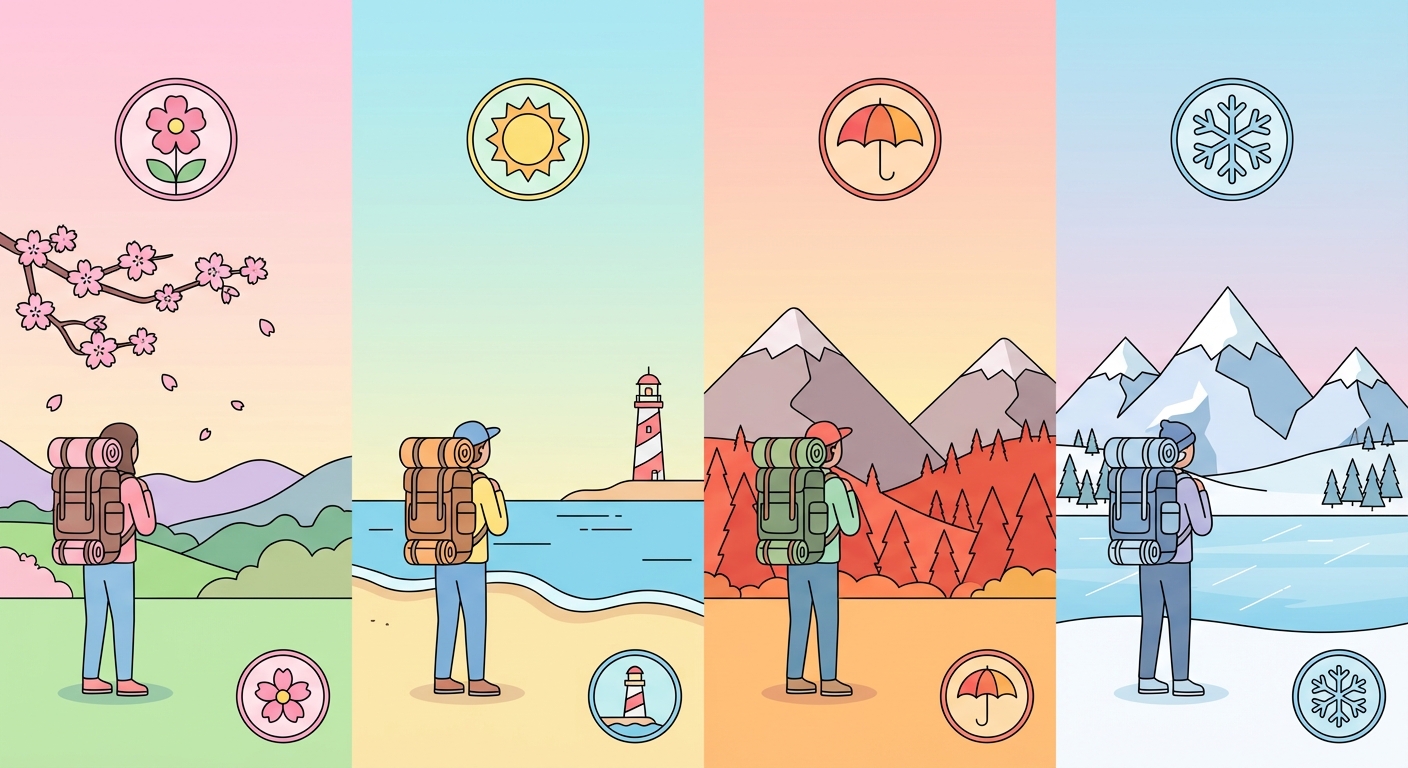
Spring (April–June) is ideal for most of Spain — particularly Andalusia (Seville, Granada, Córdoba), which is beautiful in April but brutally hot by July. Spring also brings Semana Santa (Holy Week) processions and the spectacular Feria de Abril in Seville — unmissable if you're in the region.
Autumn (September–October) is excellent for Barcelona, Madrid and the northern coast — warm, sunny and far less crowded than summer. The wine harvest season (La Rioja, Ribera del Duero) runs September–October and festivals celebrate in style.
Summer (July–August) is brutally hot inland (40°C+ in Madrid and Seville) but wonderful on the northern Atlantic coast (San Sebastián, Bilbao, Galicia) where temperatures stay around 22–25°C. The Mediterranean coast and islands (Mallorca, Ibiza) peak in summer for beach holidays. Winter is mild in the south and on the Canary Islands — a popular escape from northern European cold.
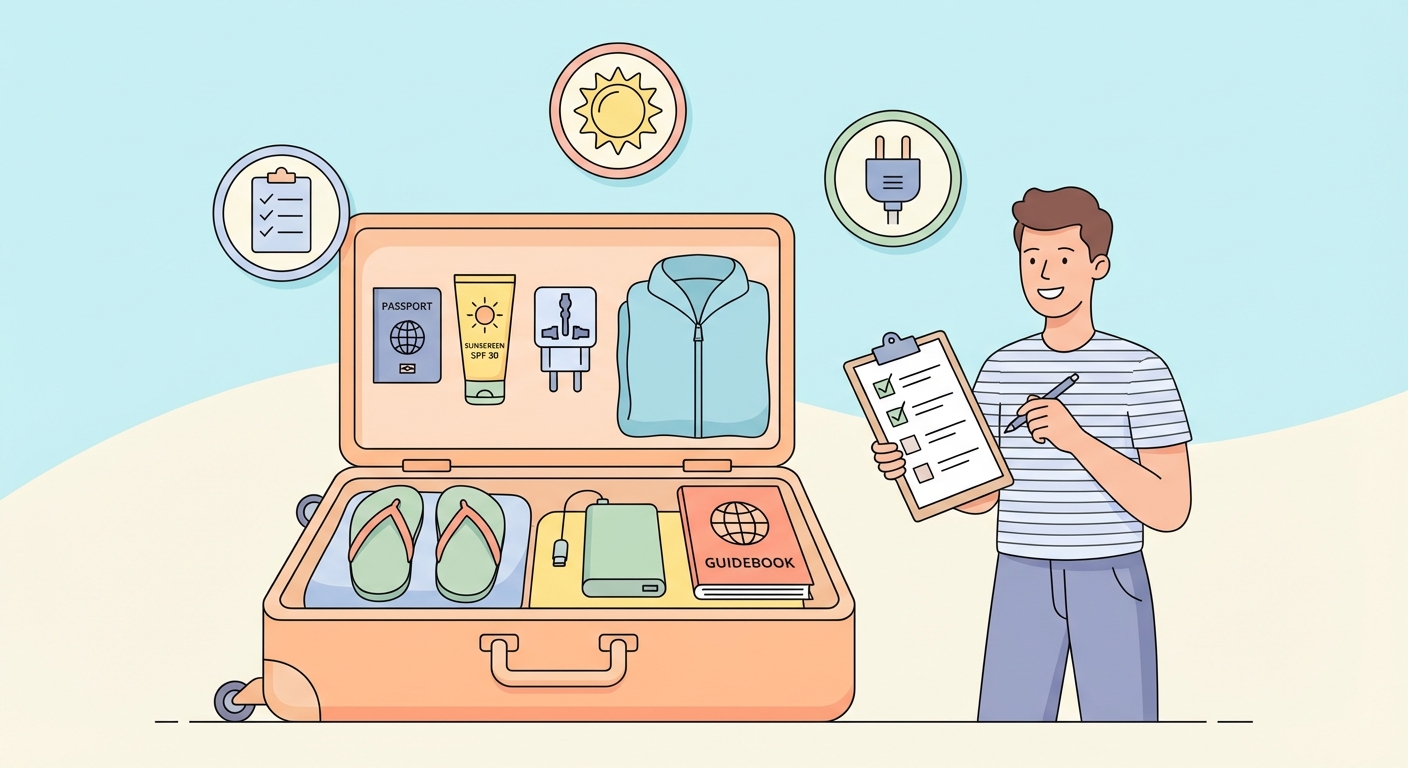
What to pack for your visit to Spain
Spain's climate ranges from Atlantic cool in Galicia to desert heat in Almería and subtropical in the Canaries. Pack for your specific regions, but these essentials cover most trips.
- Breathable summer clothing — Lightweight linen or cotton is essential in summer Spain. Avoid synthetic fabrics that trap heat in 38°C Seville or Madrid streets.
- Comfortable walking shoes — Spanish cities are pedestrian-friendly but their historic cobblestones are uneven. Cushioned trainers or leather walkers are ideal.
- Sun hat and sunglasses — Spanish summer sun is intense. A wide-brimmed hat is practical as well as stylish — Spaniards wear them without irony.
- Evening layers — Even in summer, Spaniards dress up for dinner. A light blazer or smarter top for evening restaurant visits blends in better than beach casual.
- A late schedule mindset — Not technically a packing item, but mentally prepare for lunch at 2–3pm and dinner at 9–10pm. Eating earlier marks you as a tourist.
- Your uPhone eSIM — Connects on Movistar or Vodafone España for excellent 5G coverage in Barcelona, Madrid, and strong 4G across rural regions and the islands.
Frequently Asked Questions
Everything you need to know about your Spain eSIM
Need help? We're here for you.
Questions before or during your trip — our support team is always available via live chat and email. Typical response time under 2 minutes.
Chat with us
Bundle Spain with other nearby countries.
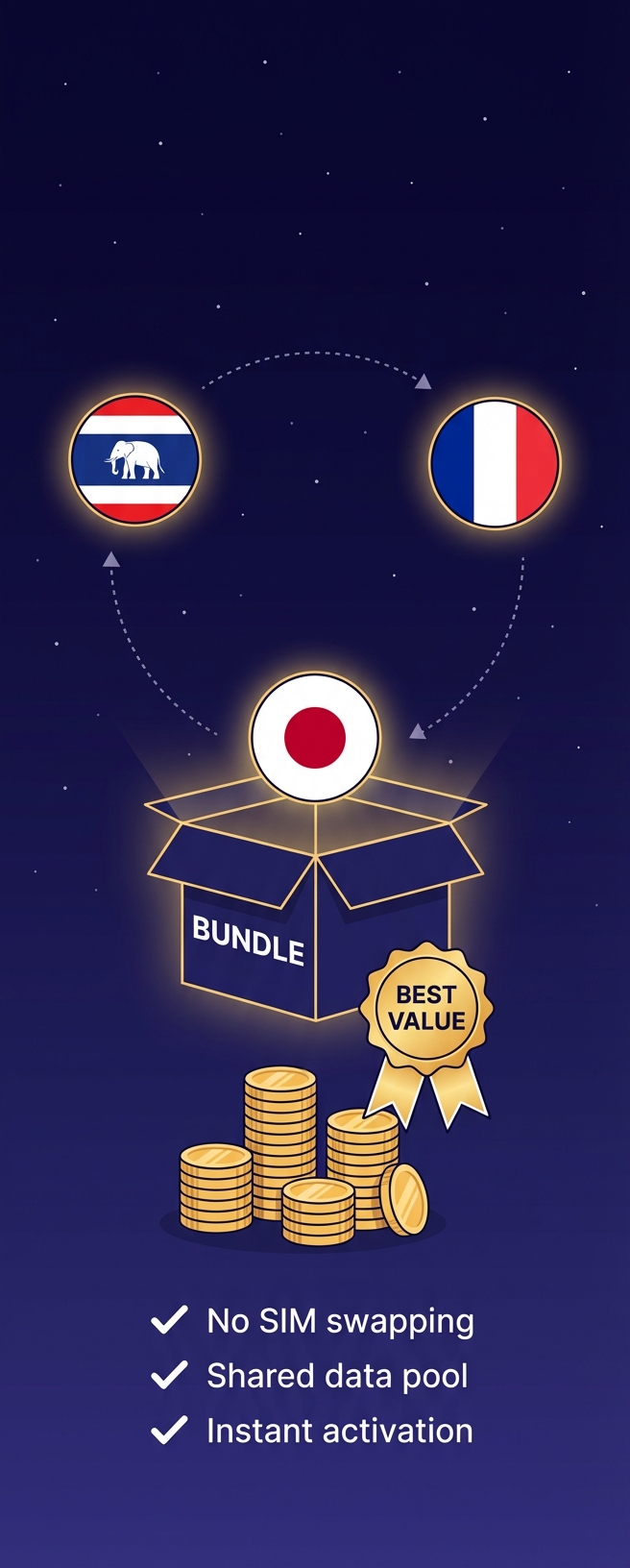
Multiple countries.
Other uPhone eSIM destinations
Explore eSIM plans for more countries around the world.