Spain rewards the traveller who plans a route before counting a cent. The cost of a single long-distance train can equal a week of hostel beds, and a meal in a plaza mayor costs triple what a bar two streets away charges. This guide follows a common budget traveller’s route – Madrid to Seville via Córdoba, with a detour to Granada and a finish on the Costa del Sol – and breaks down exactly where to spend, where to save, and which habits keep the budget intact.
Accommodation: Prioritise location over frills
In central Madrid, a dorm bed in a well-rated hostel near Sol runs €25–35 per night in October 2026. The same hostel in a less central neighbourhood (e.g., around Méndez Álvaro) drops to €18–22, but you will spend €4–5 daily on the Metro to reach the sights. The trade-off is minimal savings, and you lose time. Book hostels with free walking tours or free breakfast – many in Seville and Granada include a basic breakfast, saving €5–8 a day.
For private rooms, budget hotels (one or two stars) start at €50 in Madrid, €45 in Seville, and €40 in Granada. The sweet spot is a guesthouse (pensión) on a side street; these are often family-run, have shared bathrooms, and cost €35–45. Avoid apartments rented through short-term platforms unless you are a group of three or more; the cleaning fee and minimum-night stays push the per-person cost above a hostel private room.
Where spending more helps
In small towns like Ronda or Tarifa, the cheapest accommodation is often a shared room in a hostel that also rents surf gear. Paying €5–10 extra for a room with a window and a fan (or heater in October) is worth it – noise travels, and a bad night’s sleep derails a budget. In Málaga, skip the beachfront hotels and stay one block inland; prices drop 30% for the same standard.
Food: Eat where the locals queue
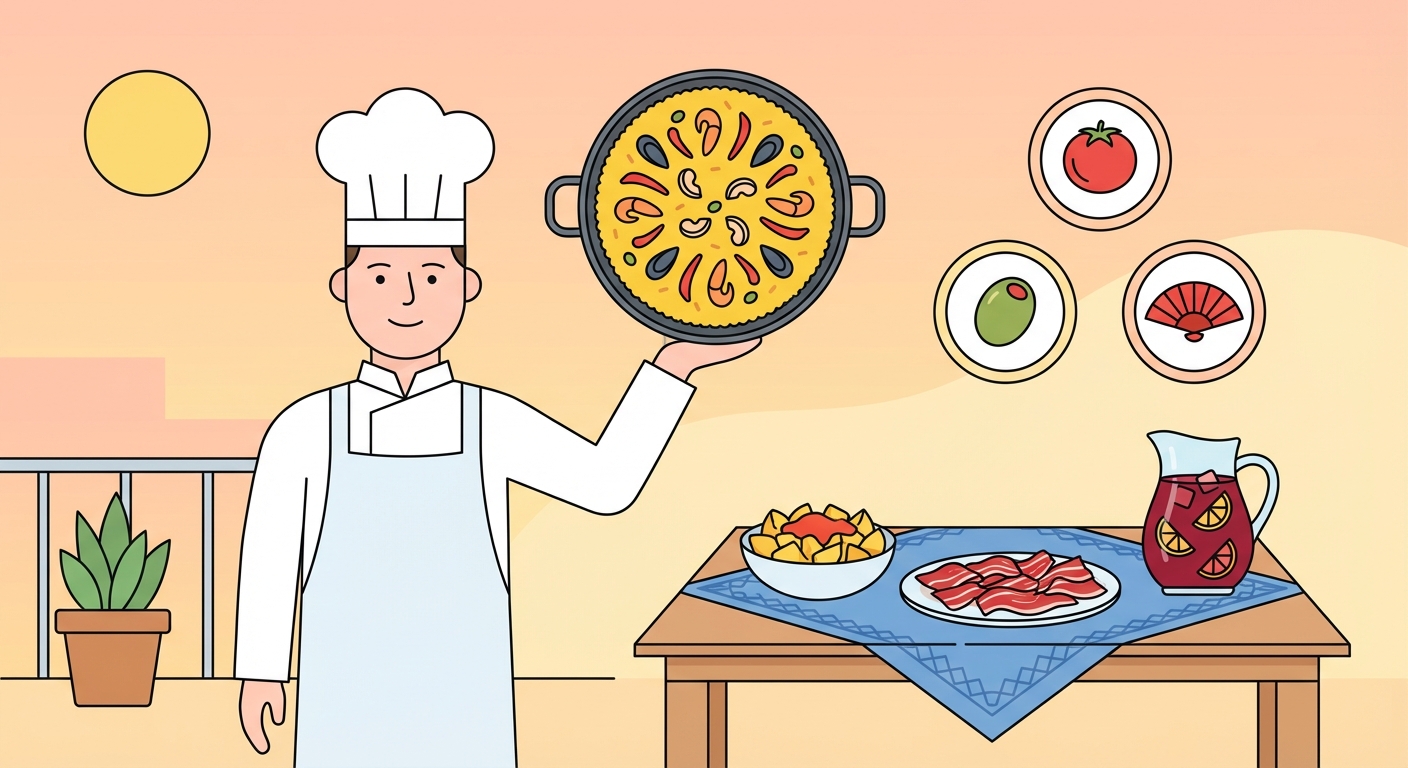
The menu del día is Spain’s greatest budget tool. At lunch (1:30–3:30 PM), almost every bar offers a two-course meal with drink and bread for €10–15. In Madrid, look for chalkboards that say “menú” – avoid tourist-area places that print menus in four languages; they charge €18 for the same food. In Seville, the menu del día in the Alameda neighbourhood runs €10–12; in Santa Cruz, the same meal is €15–18.
For dinner, tapas are the budget move. In Granada, many bars still give a free tapa with each drink (beer €2.50–3, wine €2). In Madrid and Seville, free tapas are rare; you pay €2.50–4 per tapa. Go for the “ración” (half-plate) at lunch – it costs €7–9 and is enough for a meal. Avoid the tourist-trap “tapas tours” that charge €30 for four stops; you can replicate the route for €15.
Buy picnic supplies from Mercadona or Lidl – not the small corner shops that charge double. A sandwich, fruit, and water costs €4. Tap water is safe everywhere; carry a bottle and refill at public fountains (especially in Granada’s Albaicín).
Local transport: Choose the cheap connection
Spain’s high-speed AVE trains are fast but pricey. Madrid to Seville (2.5 hours) costs €60–85 if booked a week ahead; the bus (ALSA, 5.5 hours) is €25–35. The bus is slower but saves €30–50 per leg. For the route Madrid → Córdoba → Seville, consider the bus for one leg and the train for the other so you sample both without breaking the bank. Book bus tickets online at least two days ahead for the lowest fare; walk-up fares are 20% higher.
Within cities, the Metro in Madrid and Seville is reliable and cheap: a single ride is €1.50–2, but a 10-trip card (Metrobús in Madrid, €12.20) cuts the cost per ride to €1.22. In Granada, the minibus (C1, C2) up to the Alhambra costs €1.40; a taxi from the city centre is €8–10. In Málaga, the bus from the airport to the city centre (line A, €4) is far cheaper than the train (€7.50) and runs every 20 minutes.
For intercity hops, the regional bus (e.g., Córdoba to Granada, 2.5 hours, €18) is the budget default. BlaBlaCar ridesharing is common and safe; a seat from Seville to Granada costs €10–15. Check the driver’s rating and confirm the meeting point in a well-lit plaza.
Attractions: Reserve early, skip the queue
The Alhambra in Granada (general admission €15.41 in 2026) sells out days in advance. Book online at least two weeks ahead – the Nasrid Palaces are timed and non-negotiable. In Seville, the Alcázar (€13.50) and the cathedral (€10) can be visited on a combined ticket (€20) that saves €3.50. The Madrid city pass (€49 for three days) is not worth it unless you plan to visit four or five major museums; the Prado (€15) and Reina Sofía (€12) are better bought individually with a student discount if applicable.
Free-entry days exist: the Prado is free 6–8 PM Monday to Saturday; the Reina Sofía is free 7–9 PM Monday to Saturday and all day Sunday. In Seville, the Alcázar is free on Mondays (limited capacity, arrive at 9 AM). In Granada, the Alhambra has no free days; the city’s flamenco shows in caves (e.g., Sacromonte) often charge €18–25 – look for a bar that offers a free short show with a drink instead.
Walking tours are a strong budget choice. Many cities have “free” tours (tip-based, €5–10 expected). The alternative is a self-guided route using a downloaded map; the tourist office in every city provides a free pamphlet.
Payment habits & tipping
Cash is still common in small bars, markets, and buses. ATMs in Spain charge €2–5 for withdrawals, so withdraw €100–150 at once to minimise fees. Cards (Visa, Mastercard) are accepted in most restaurants and shops above €10. Avoid dynamic currency conversion – always choose to pay in euros, not your home currency.
Tipping is not expected but is appreciated. For a menu del día, rounding up to the nearest euro (e.g., €13.50 → €14) is fine. In nicer restaurants, 5–10% for good service is standard. Taxi drivers do not expect a tip; rounding up from €8.50 to €9 is a polite gesture. Tour guides on paid tours expect 10% if the service was good.
Daily budget bands (October 2026, per person)
- Budget band: €45–60 – Dorm bed (€25–30), menu del día (€12), tapas dinner (€8–10), one paid attraction (€15), local transport (€4–6), coffee/water (€3–4). Works for Madrid, Seville, Granada if you book hostels with breakfast and skip the AVE.
- Mid-range band: €75–100 – Private guesthouse (€40–50), nicer lunch (€15), dinner with wine (€15–20), two paid attractions or a combined ticket (€20–25), occasional taxi (€8–10), metro pass (€5–6). Covers comfortable travel without stress.
- Upper band (where spending helps): €120–150 – Boutique hotel (€60–80), sit-down lunch (€20–25), dinner with wine (€25–30), skip-the-line tickets (€25–30), private transfer from airport (€15–20), nicer coffee/beer (€5–6). This band is worth it for a short trip where time matters more than money.
Where spending more actually helps
Besides accommodation in small towns, the two areas where spending extra pays off are attraction tickets and transport. A skip-the-line ticket for the Alhambra (€18–20 via official resellers) saves an hour of queuing – that hour is worth €5–10 in a busy day. The AVE train from Madrid to Seville costs €60–85 but saves three hours compared to the bus; if your trip is four days or fewer, that time gain is worth the extra €30–40. For longer trips, the bus is fine.
For mobile data, arrange a Spain eSIM before departure. Providers like Airalo or Holafly offer 5–10 GB for €10–20; this avoids roaming fees and the hassle of buying a physical SIM. The eSIM activates on arrival and covers all major cities and highways.
Cautions
- Watch for pickpocketing in Madrid’s Gran Vía, Seville’s Plaza de España, and Granada’s Albaicín at night. Keep your phone and wallet in front pockets or a money belt.
- Beware of “free” sangria or tapa offers that come with a cover charge (cubierto) of €2–4. Ask before accepting.
- Do not exchange currency at airport kiosks; rates are 5–8% worse than city-centre exchanges or ATMs.
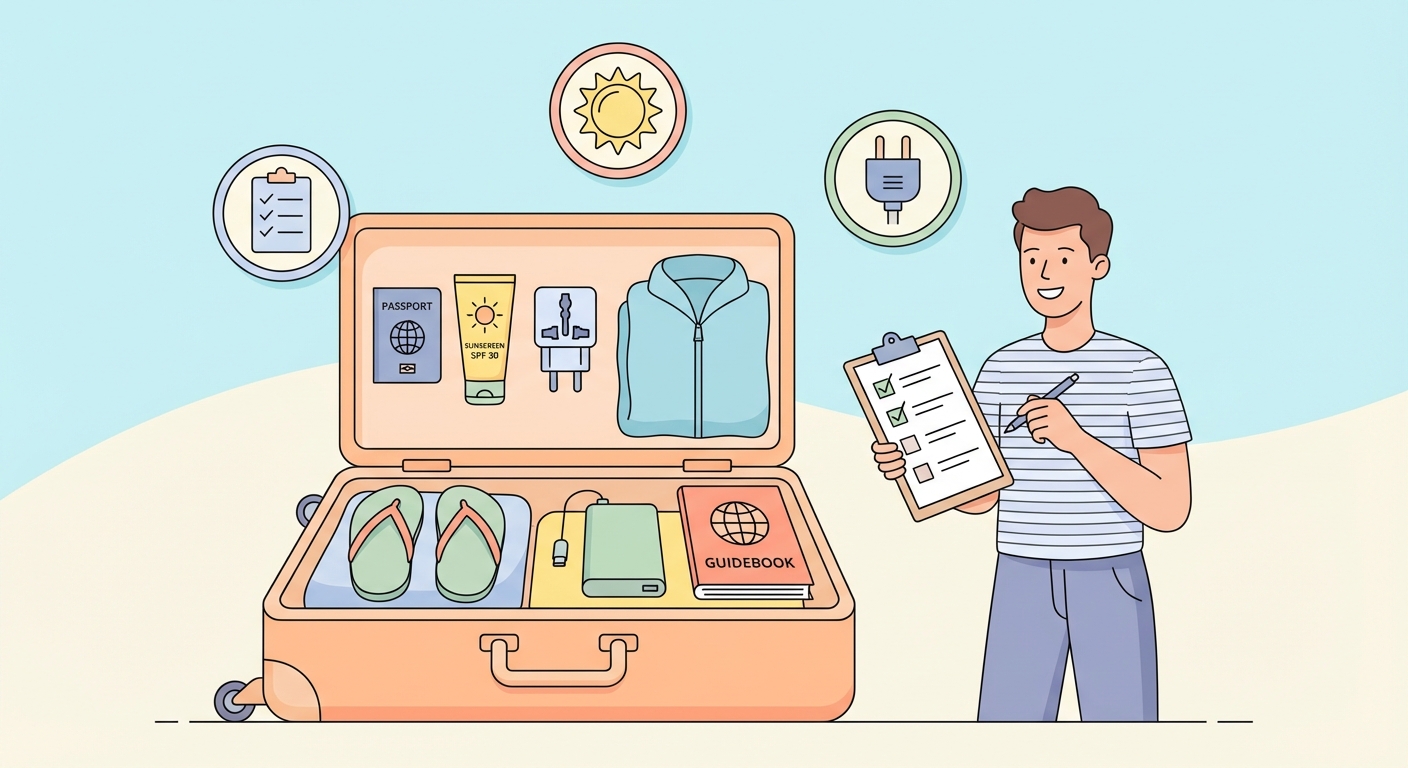
- In October, southern Spain (Seville, Granada, Málaga) is warm (20–28°C) but evenings cool quickly. Pack a light jacket – spending €30 on a sweater at a tourist shop is avoidable.
Spain’s budget travel is about choices, not sacrifices. Pick the bus over the train for long legs, eat where the queue is longest at 2 PM, and book accommodation with breakfast included. The savings fund the one thing worth overspending on: a front-row ticket to a flamenco show in a real tablao, not a tourist cave. The route is clear, the numbers are fixed, and the experience is richer for being managed well.