France is famously expensive in parts, but a well-planned trip can be done on a tight budget without missing the essentials. The trick is to pick the right route, book early, and know where to compromise versus where to spend more for real value. This guide lays out a practical, route-first approach to accommodation, food, transport, attractions, payment habits, tipping, and daily budget bands for a 2026 visit.
Choose Your Route to Control Costs
The biggest variable is geography. A clockwise or counter-clockwise loop starting and ending in Paris can keep transport costs low. For a 10-day trip, consider: Paris (3 nights) → Loire Valley by train (2 nights, using Blois or Tours as a base) → Lyon (2 nights) → Avignon or Aix-en-Provence (2 nights) → back to Paris via high-speed train. This avoids expensive flights and lets you use regional trains for shorter hops. Alternatively, a southern route: Nice → Marseille → Avignon → Lyon → Paris uses a mix of regional trains and one long TGV leg. Avoid renting a car if possible – petrol, tolls, and parking in cities eat a budget quickly.
Accommodation: Where to Spend and Where to Save
Save on
- Hostels and budget hotels: In smaller cities like Blois, Tours, or Aix-en-Provence, dorm beds run €25–€40 per night. Private rooms in budget hotels (1- or 2-star) cost €50–€70. Book at least 6 weeks ahead for summer or October holidays.
- Apartment rentals: Use Airbnb or local equivalents for self-catering apartments in Lyon or Marseille – often cheaper than hotels for two people, especially with a kitchen to cook meals.
- Last-minute deals: In low season (November–March), many hotels offer 20–30% discounts on walk-in bookings, but this is risky in peak months.
Spend more on
- Location: Pay extra for a room in central Paris (e.g., 5th or 6th arrondissement) to save metro fares and time. A €15 metro ticket per day adds up; a central hotel costs more but reduces transport needs.
- Breakfast included: Many budget hotels offer a simple breakfast for €8–€12. Buying a croissant and coffee at a café costs €5–€7, so the hotel option is often better value if you want a full meal.
Food: Eat Like a Local, Not a Tourist
Save on
- Markets and bakeries: Buy fresh baguettes, cheese, fruit, and prepared salads from street markets (e.g., Marché d'Aligre in Paris, Marché des Capucins in Lyon). A picnic lunch costs €5–€8 per person.
- Lunch menus: Many restaurants offer a fixed-price lunch menu (formule) for €12–€18, while the same dishes at dinner cost €25–€35. Eat your main meal at lunch.
- Supermarkets: For snacks, water, and wine, shop at Carrefour, Monoprix, or Lidl. A bottle of decent table wine costs €4–€7.
Spend more on
- One nice dinner: Splurge on a three-course dinner in a traditional bouchon in Lyon or a bistro in Paris. The experience of regional cuisine (coq au vin, tarte Tatin) is worth €35–€50 per person, but do it only once.
- Coffee culture: Sitting at a café for an hour costs €3–€4 for an espresso. It’s a cultural experience, not just a drink. Budget for a few of these.
Local Transport: Trains, Buses, and Walking
Save on
- Regional trains (TER): For short hops (e.g., Avignon to Aix-en-Provence), use TER trains – they are half the price of TGV and often just as fast for distances under 150 km. Book TER tickets at the station; no advance booking needed.
- Metro and bus passes: In Paris, buy a carnet of 10 metro tickets (€16.90 in 2026) instead of single tickets. In Lyon, a 24-hour pass for €6.50 covers all public transport.
- Walking: Most city centres are compact. In Avignon, Lyon, and Blois, you can see the main sights on foot. Avoid taxis and ride-hailing.
Spend more on
- TGV high-speed trains: For long distances (Paris to Avignon, Lyon to Paris), book TGV tickets 2–3 months ahead for the best fares (€25–€50 one-way). Last-minute TGV tickets can cost €100+. For a tighter budget, use Ouigo (the low-cost TGV) – tickets from €10–€30 but with stricter luggage limits.
- Rental car for rural areas: If you want to explore the Loire Valley châteaux or Provence lavender fields, a rental car for 2–3 days (€40–€60 per day plus fuel) can be cheaper than multiple guided tours. Book through a local agency, not the airport, to avoid surcharges.
Attractions: Free and Low-Cost Highlights
Free or nearly free
- Museums: Many national museums (Louvre, Musée d'Orsay) are free on the first Sunday of each month. In 2026, check the exact dates; it’s a great way to see top collections for free, but expect queues.
- Parks and gardens: Jardin du Luxembourg, Parc de la Tête d'Or in Lyon, and the Promenade des Anglais in Nice are free.
- Churches and cathedrals: Notre-Dame (exterior), Sainte-Chapelle in Paris (€11.50 entry), and the Basilica of Saint-Denis (€11) are worth the small fee.
- Walking tours: Free walking tours (tip-based) in Paris, Lyon, and Avignon. Search for “gratuit” tours online. A €5–€10 tip is appropriate.
Spend more on
- Skip-the-line passes: For the Louvre, Musée d'Orsay, or the Palace of Versailles, a timed-entry ticket (€17–€20) is worth the extra cost to avoid 2-hour queues. Book online at least 2 weeks ahead.
- City passes: The Paris Museum Pass (€55 for 2 days) or Lyon City Card (€25 for 1 day) can save money if you plan to visit 3+ paid attractions. Calculate ahead; for a short trip, they may not pay off.
Payment Habits and Tipping
France is a cash-light society for most transactions. Credit cards (Visa, Mastercard) are accepted everywhere except some small markets and street vendors. Always carry €50–€100 in cash for emergencies, but use card for larger payments. Avoid dynamic currency conversion (pay in euros, not your home currency) to avoid hidden fees. Tipping is not expected but appreciated. In restaurants, a service charge is included, but leaving €1–€2 for a coffee or €3–€5 for a meal is polite. For tour guides, €5–€10 per person is standard. Do not tip taxi drivers unless they help with luggage.
Daily Budget Bands (Per Person, 2026)
- Frugal (€60–€80): Dorm bed in hostel, picnic meals, one paid attraction, metro passes, and self-catered dinners.
- Moderate (€100–€140): Budget hotel or private room, lunch menu plus supermarket dinner, one paid attraction, occasional café, and a TGV ticket booked in advance.
- Comfortable (€160–€220): Central hotel, two meals out (one lunch, one dinner), skip-the-line passes, and a rental car for a day or two.
These figures exclude long-distance transport to/from France. Adjust based on your route and season.
Practical Tips for 2026
- Book early: For TGV tickets, popular hotels, and museum entries, reserve 2–3 months ahead. Prices rise sharply closer to departure.
- Use local SIM or eSIM: For mobile data, arrange a France eSIM before you travel. It avoids roaming charges and gives you reliable internet for maps, tickets, and translations. Download the eSIM app and activate it on arrival.
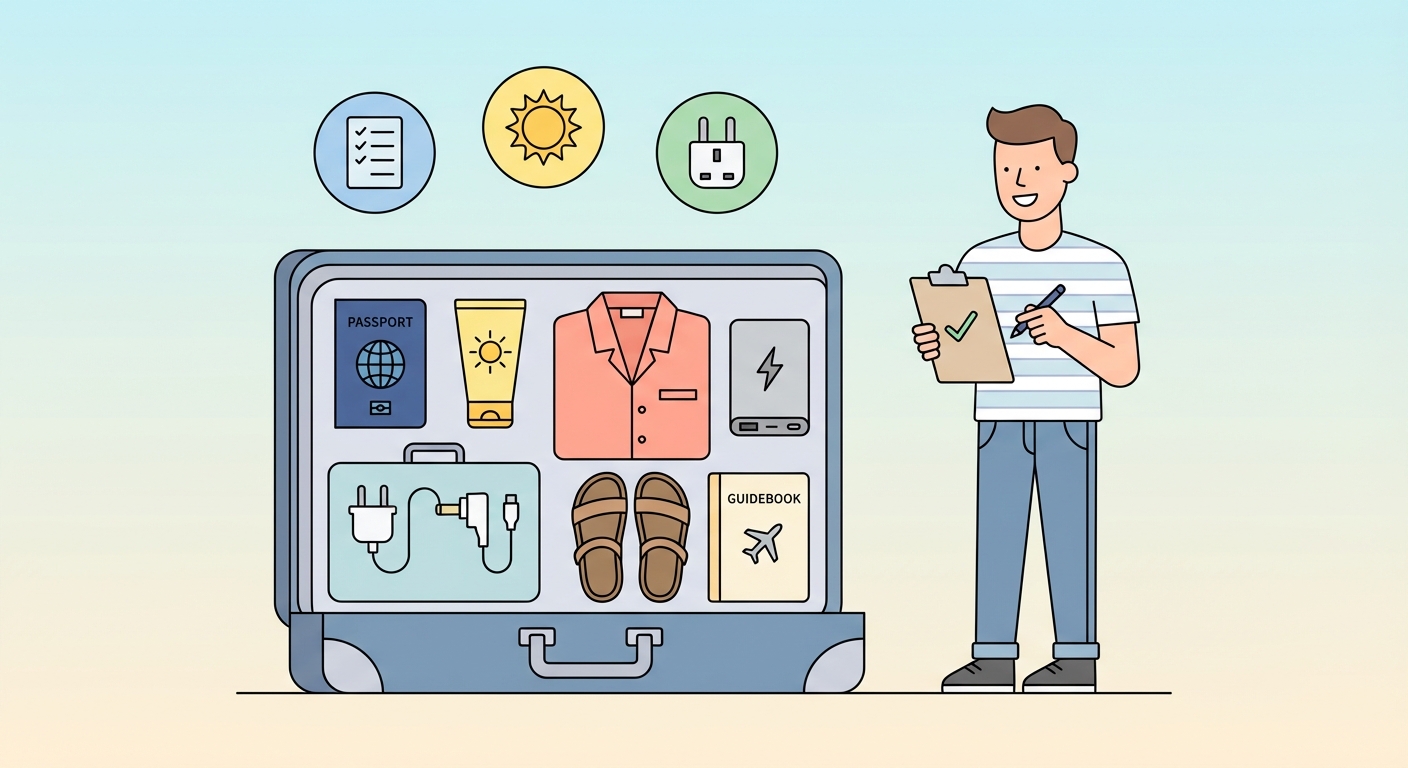
- Pack light: Luggage storage in hostels and budget hotels is limited. A carry-on bag is enough for 10 days.
- Check strike calendars: In October 2026, public transport strikes can happen. Follow local news and have a backup plan (e.g., bus or walking).
- Learn a few phrases: “Bonjour,” “Merci,” “S’il vous plaît,” and “L’addition” (the bill) go a long way in budget interactions.
France rewards planning. The same €100 can stretch to a day of castle visits and a picnic lunch or vanish into a single museum ticket and a mediocre restaurant. Choose your route, prioritise one splurge, and use public transport. With this approach, a 10-day trip can be done for €700–€1,500 per person, excluding flights. The key is knowing where to save and where to spend – and that depends entirely on your route.