France can overwhelm a first-time visitor with its sheer range of landscapes, cuisines, and cultural codes. A sensible seven-day itinerary must be ruthlessly edited: three bases, minimal backtracking, and a clear choice between depth and breadth. This route prioritises the classic Paris–Lyon–Provence corridor, using high-speed rail to stitch together a manageable loop. It assumes you arrive at Charles de Gaulle Airport and depart from Marseille Provence Airport. The pacing is tight but feasible for a traveller who is comfortable with early departures and pre-booked trains.
Why This Route
Paris is the logical starting point because of its international flight connections. From there, the TGV (Train à Grande Vitesse) network makes it possible to reach Lyon in about two hours and Avignon or Aix-en-Provence in under three. By ending in the south, you avoid a long return leg to Paris and can fly out of Marseille, which has good connections to other European hubs. The alternative—spending all seven nights in one region—is a valid slower choice for those who dislike packing and unpacking, but it sacrifices the contrast between northern and southern France.
Night-by-Night Breakdown
- Nights 1–3: Paris (3 nights)
- Night 4: Lyon (1 night)
- Nights 5–7: Avignon or Aix-en-Provence (3 nights)
This distribution gives you two full days in Paris, a full day in Lyon, and two full days in Provence, plus travel days that also include sightseeing time.
Days 1–3: Paris
Getting settled
Land at Charles de Gaulle, take the RER B train to the city centre (€11.40, 35 minutes to Châtelet–Les Halles), and check into a hotel in the 5th, 6th, or 7th arrondissement. These areas are walkable to many major sites and have good boulangeries and bistros. Avoid the immediate vicinity of Gare du Nord or Pigalle if you prefer quieter evenings.
What to do
Reserve your first full day for the Louvre and the Tuileries Garden. Book a timed-entry ticket for the Louvre at least three weeks in advance; the queue without a reservation can eat an hour. In the afternoon, walk along the Seine to the Musée d’Orsay (which has a superb Impressionist collection) or simply stroll through Saint-Germain-des-Prés. On day two, visit the Eiffel Tower area in the morning (book tickets two months ahead for summit access), then take the Métro to Montmartre for Sacré-Cœur and the views from its dome. The third morning is free for a final café or a visit to the Marais district before catching a midday TGV to Lyon.
Practical note
Public transport in Paris works well with a carnet of ten tickets (€16.60 in 2025) or a weekly Navigo pass if your visit includes Monday to Sunday. For mobile data, arrange a France eSIM before departure; it activates upon landing and avoids the hunt for a physical SIM card.
Day 4: Lyon
Travel day and one night
The TGV from Paris Gare de Lyon to Lyon Part-Dieu takes about two hours. Book a non-stop train (avoid those with multiple stops) to keep the journey under 2h10. Drop your bag at a hotel near Place Bellecour or in the Presqu’île district—a central location that lets you explore on foot. Lyon is famous for its traboules (hidden passageways) in Vieux Lyon and its bouchons (traditional restaurants). Spend the afternoon walking from the Basilica of Notre-Dame de Fourvière down through the old town. Have dinner at a bouchon; a typical menu includes salade lyonnaise, quenelles, and tarte aux pralines. One night is enough to get a strong impression, but if you are a serious food traveller, consider adding a second night here and cutting one night in Provence. That trade-off means you will see fewer lavender fields and Roman ruins but will have time for a cooking class or a market tour.
Days 5–7: Provence
Base choice: Avignon or Aix-en-Provence
From Lyon, take a TGV to Avignon TGV station (about 1h10), then a shuttle bus into the walled city. Avignon is the better base if you want to visit the Pont du Gard, the Palais des Papes, and the wine villages of Châteauneuf-du-Pape. Aix-en-Provence, reachable by a direct TGV from Lyon (about 1h30 to Aix TGV station, then a bus to town), is more elegant and closer to the Luberon hill towns such as Gordes and Roussillon. Both are excellent choices; pick Avignon for Roman and medieval monuments, pick Aix for markets and café culture.
Day 5: Arrival and local exploration
Arrive in the afternoon. If you chose Avignon, walk the city ramparts and visit the Palais des Papes (allow 90 minutes). In Aix, the Cours Mirabeau and the Mazarin district are perfect for a relaxed evening. Dinner at a neighbourhood restaurant—avoid the main tourist squares for better value.
Day 6: Day trip into the countryside
From Avignon, a half-day trip to the Pont du Gard (take the B21 bus from the Avignon TGV station; 45 minutes) is straightforward. Combine it with a stop in the village of Uzès for lunch. From Aix, a rental car or a guided minibus tour to the Luberon villages is the best option; public bus connections are infrequent. If you do not drive, book a small-group tour that picks up from the tourist office. An alternative from either base is a visit to the hilltop village of Les Baux-de-Provence and the Carrieres des Lumieres light show—allow four hours total.
Day 7: Final morning and departure
Spend the morning at a local market—Avignon’s Les Halles indoor market or Aix’s market on Place Richelme. Then take the TGV or a regional train to Marseille Provence Airport. From Avignon, the direct TGV to Marseille Saint-Charles takes 35 minutes; from Aix TGV station it is 20 minutes. From Marseille Saint-Charles, the airport shuttle bus runs every 15 minutes and takes 25 minutes. Budget at least 2.5 hours between your train arrival and your flight.
When a Slower Alternative Makes Sense
This itinerary requires you to change hotels twice and to move every two or three days. If you dislike that rhythm, a slower alternative is to spend all seven nights in Paris with day trips to Versailles, Chartres, and the Loire Valley. You lose the south entirely, but you gain time to linger in museums and neighbourhoods. Another slower option is to stay in a single Provençal base—say, a farmhouse near Saint-Rémy-de-Provence—and explore the region at a walking pace. That version works best if you rent a car and have no interest in Paris. For most first-timers, however, the variety of the Paris–Lyon–Provence route offers a richer introduction to the country’s contrasts.
Key Cautions
- Train tickets: Book TGV tickets on the SNCF Connect website or app at least three weeks ahead. Prices rise steeply within two weeks of travel. Non-refundable tickets are much cheaper; accept that you are committing to a fixed time.
- Strikes: French transport strikes can disrupt plans. Check the SNCF website the day before travel. If a strike is announced, consider travelling earlier in the day or switching to a bus service (FlixBus or BlaBlaCar Bus) as a backup.
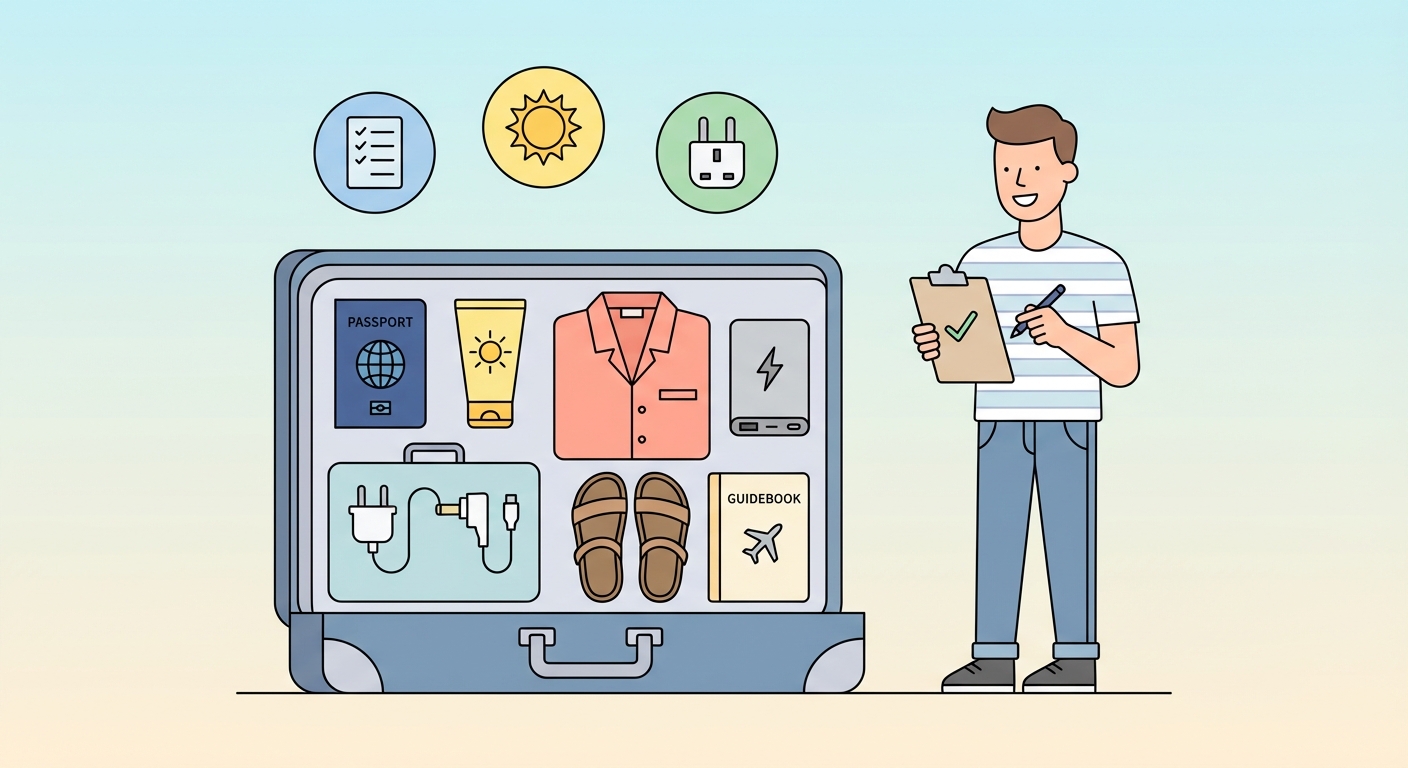
- Luggage: Pack light—a single carry-on roller and a daypack. French train overhead racks are small, and you will walk on cobblestones and climb stairs in older hotels.
- Dining hours: Lunch is served 12:00–14:00, dinner 19:00–21:30. Many kitchens close between services. Do not expect to find a full meal at 15:00 except in tourist areas.
- Museum closures: Many museums close on Mondays (the Louvre, the Musée d’Orsay) or Tuesdays (the Pompidou Centre). Adjust your Paris days accordingly—this itinerary uses Monday for travel to Lyon, which avoids the closure issue.
This route is demanding but rewarding. It gives you a taste of France’s capital, its gastronomic heart, and its sun-drenched south without wasting a single day. Stick to the plan, book ahead, and you will leave with a clear sense of what makes each region distinct.