🇲🇽 eSIM for Mexico
- Unlimited data
- 7-day validity
- Fast and reliable internet
- No more roaming charges
- Instant QR code by email
* As low as price reflects the cheapest per-day rate, based on the longest available unlimited data plan duration.




Why choose us?
See how uPhone compares with other options in Mexico.

eSIM prices for Mexico
All prices in USD
7 days of unlimited data in Mexico costs $28.10 — about $4.01 a day on Telcel, AT&T Mexico or Movistar, with no roaming charge and no SIM to swap. In Mexico, 5G is live and median mobile download speed is 35.8 Mbps.
Which networks you connect to in Mexico
Your eSIM roams onto Mexico's own operators. These are the networks and the frequencies they run — check your phone supports them before you travel.
Source: Ookla Speedtest Global Index, August 2025
Coverage in Mexico
ALTÁN Redes operates a wholesale LTE network on B28 (700 MHz) used by MVNOs; coverage is extensive but limited to 4G. Telcel 5G n5 uses DSS and is widely deployed, while n78 is limited to select urban areas. B28 is a band commonly absent from US-market phones.
Enjoy your Mexico vacation
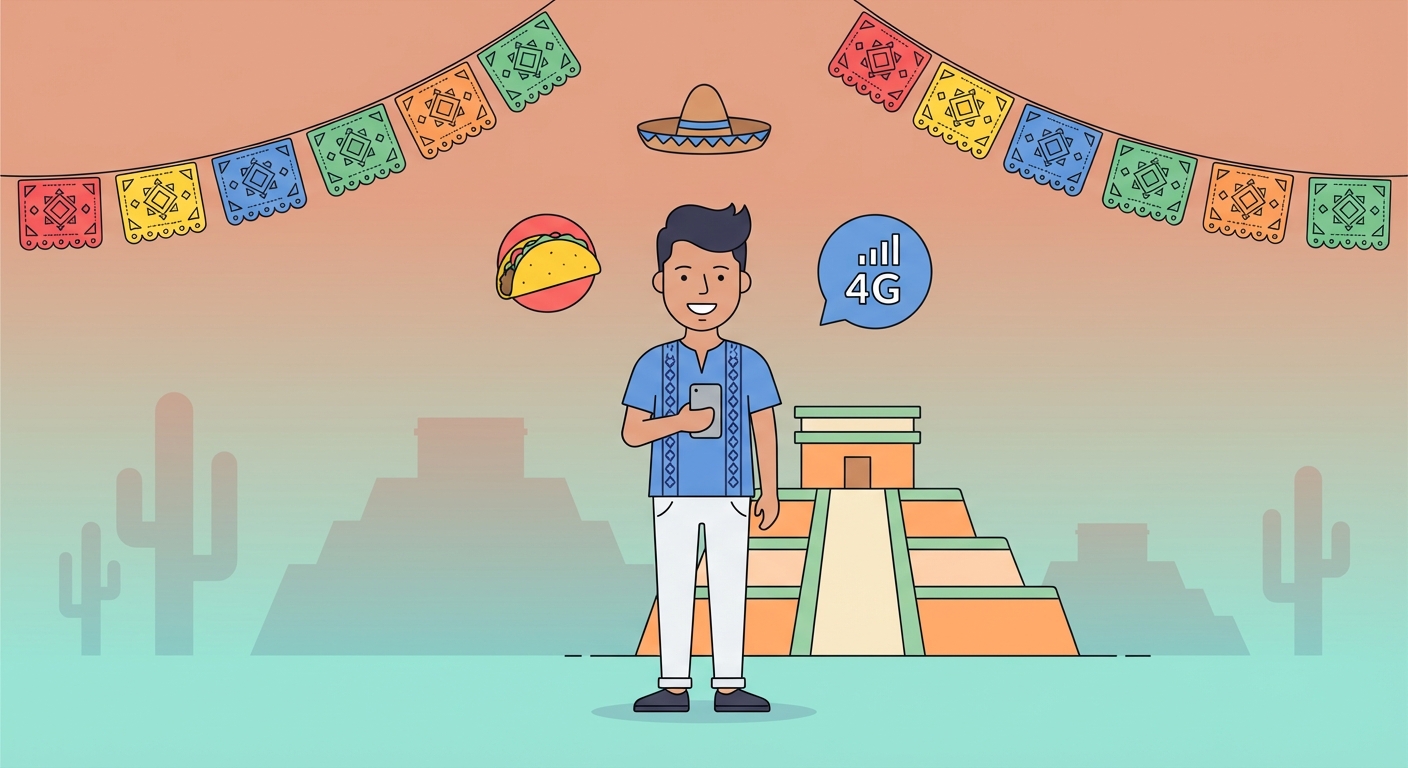
Mexico is a country of volcanic peaks, ancient pyramid cities, colonial silver towns, Caribbean turquoise waters and the world's most vibrant street food culture. Mexico City — one of the world's great megacities — layers Aztec ruins, Spanish colonial grandeur and a world-class contemporary arts scene into a city that rewards every kind of curiosity. Oaxaca's markets and mole sauces, the Yucatán Peninsula's cenotes and Maya ruins, Guadalajara's mariachi and tequila culture, the Pacific Coast's surf breaks — Mexico is far more than its resort tourism suggests. With a uPhone eSIM you'll connect to Telcel for the widest coverage across Mexico's diverse geography.
Top attractions in Mexico
Mexico's cultural and natural heritage spans 3,000 years of civilisation, from Olmec stone heads to Spanish Baroque cathedrals to contemporary muralism. These are the unmissable highlights.
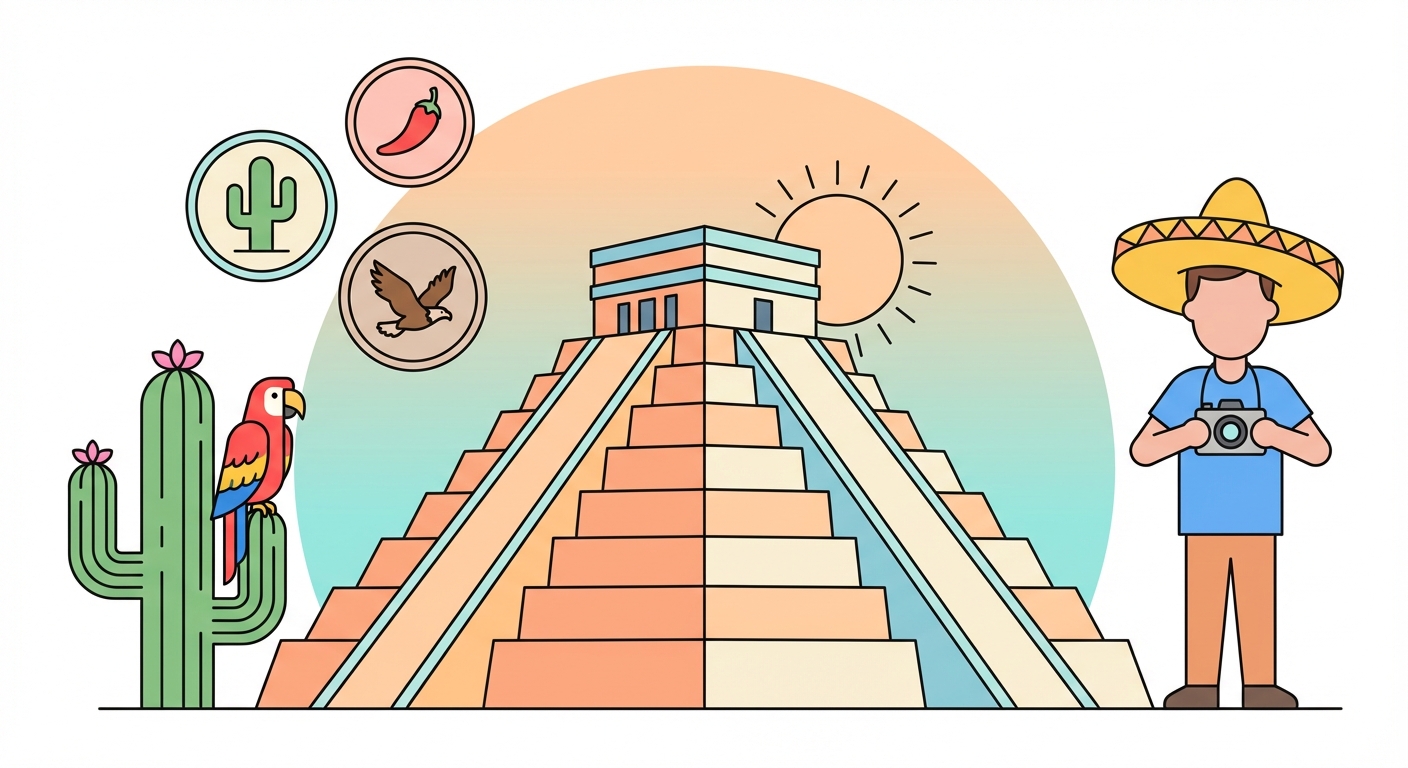
- Chichen Itza, Yucatán — The Pyramid of Kukulcán is one of the New Seven Wonders of the World. During spring and autumn equinoxes, a shadow serpent appears to descend the pyramid's staircase — an astronomical alignment planned a thousand years ago.
- Teotihuacan, Mexico City — The Avenue of the Dead runs between the Pyramid of the Sun and Pyramid of the Moon — a pre-Aztec city that once housed 200,000 people. One of the Western Hemisphere's greatest archaeological sites.
- Mexico City Historic Centre & Frida Kahlo Museum — The Zócalo, the Metropolitan Cathedral, Diego Rivera's murals in the Palacio Nacional — and in Coyoacán, Frida Kahlo's Casa Azul, her vivid blue home turned extraordinary museum.
- Copper Canyon (Barranca del Cobre), Chihuahua — A canyon system four times the size of the Grand Canyon, traversed by the legendary Chepe train journey through Tarahumara indigenous communities.
- Cenotes, Yucatán — Sacred sinkholes filled with crystalline freshwater, connected to a vast underground cave system. Swim in Cenote Ik Kil near Chichen Itza or dive the Dos Ojos cave system near Tulum.
- Oaxacan Markets & Monte Albán — The Mercado Benito Juárez and Mercado de Abastos offer the greatest concentration of Oaxacan textiles, mezcal and mole pastes — above the city, the Zapotec ruins of Monte Albán command hilltop views.
Popular foods to try in Mexico
Mexican cuisine is a UNESCO Intangible Cultural Heritage — and tasting the real thing is one of travel's great revelations. The Mexico of street tacos, mole negro, freshly made tortillas and mezcal is light-years from the Tex-Mex of export fame.
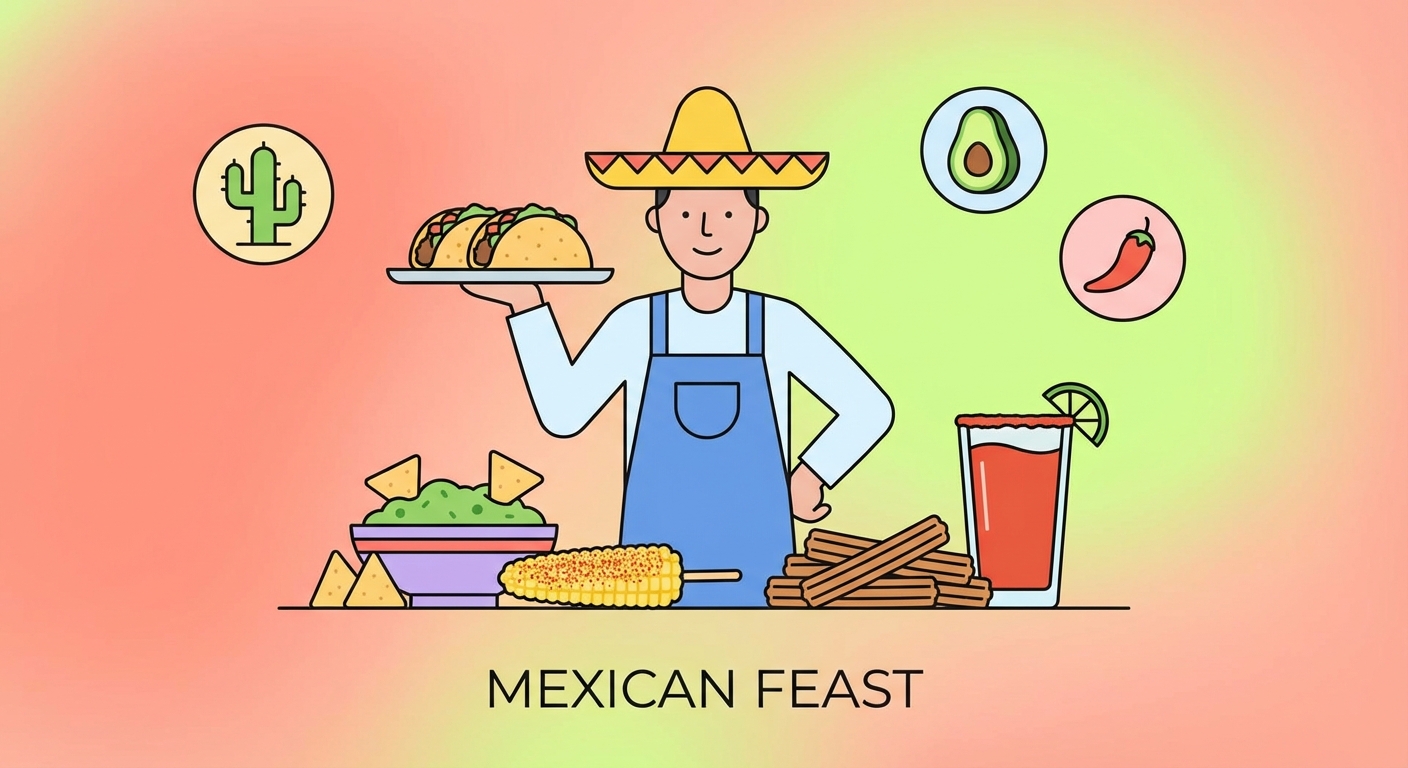
- Tacos al Pastor — Pork marinated in dried chilli and achiote, cooked on a vertical spit like shawarma (a Lebanese immigrant influence), sliced onto small corn tortillas with pineapple, coriander and onion. Mexico City's signature street food.
- Mole Negro, Oaxaca — A sauce of over 30 ingredients — dried chillies, chocolate, spices, nuts and seeds — slow-cooked and served over turkey or chicken. One of the world's most complex and extraordinary sauces.
- Tamales — Masa (corn dough) filled with meat, cheese or beans, wrapped in corn husks or banana leaves and steamed. Sold from street carts at dawn and at every celebration in Mexico.
- Chiles en Nogada — Seasonal (August–September) dish of poblano chillies stuffed with minced meat and dried fruit, covered in walnut cream sauce and pomegranate seeds — in the green, white and red of the Mexican flag.
- Tlayudas — Oaxaca's large crispy tortilla base spread with black bean paste, asiento (lard), Oaxacan string cheese and your choice of meat or chapulines (toasted grasshoppers — genuinely delicious).
- Mezcal — Artisanal agave spirits from Oaxaca and surrounding states. Unlike mass-produced tequila, craft mezcal is smoky, complex and sipped slowly with sal de gusano (worm salt) and orange slices.
Best time to visit Mexico
December to April is the dry season across most of Mexico and the most comfortable time for travel. Temperatures are warm but not extreme, rainfall is minimal and the skies are clear. Christmas and Easter (Semana Santa) are busy periods with domestic Mexican tourism — book early and expect higher prices.
For the Yucatán Peninsula and Caribbean coast (Cancún, Tulum, Playa del Carmen), November–May offers the best beach weather. Hurricane season runs June–November — storms are possible, especially September–October. Even during hurricane season, Yucatán often escapes major storms, but travel insurance is essential.
Mexico City and Oaxaca are high-altitude (2,200m and 1,550m) and comfortable year-round — rainy season (June–September) brings afternoon showers but also lush, green landscapes and the extraordinary Day of the Dead celebrations in Oaxaca (late October–early November), arguably Mexico's most spectacular festival.

What to pack for your visit to Mexico
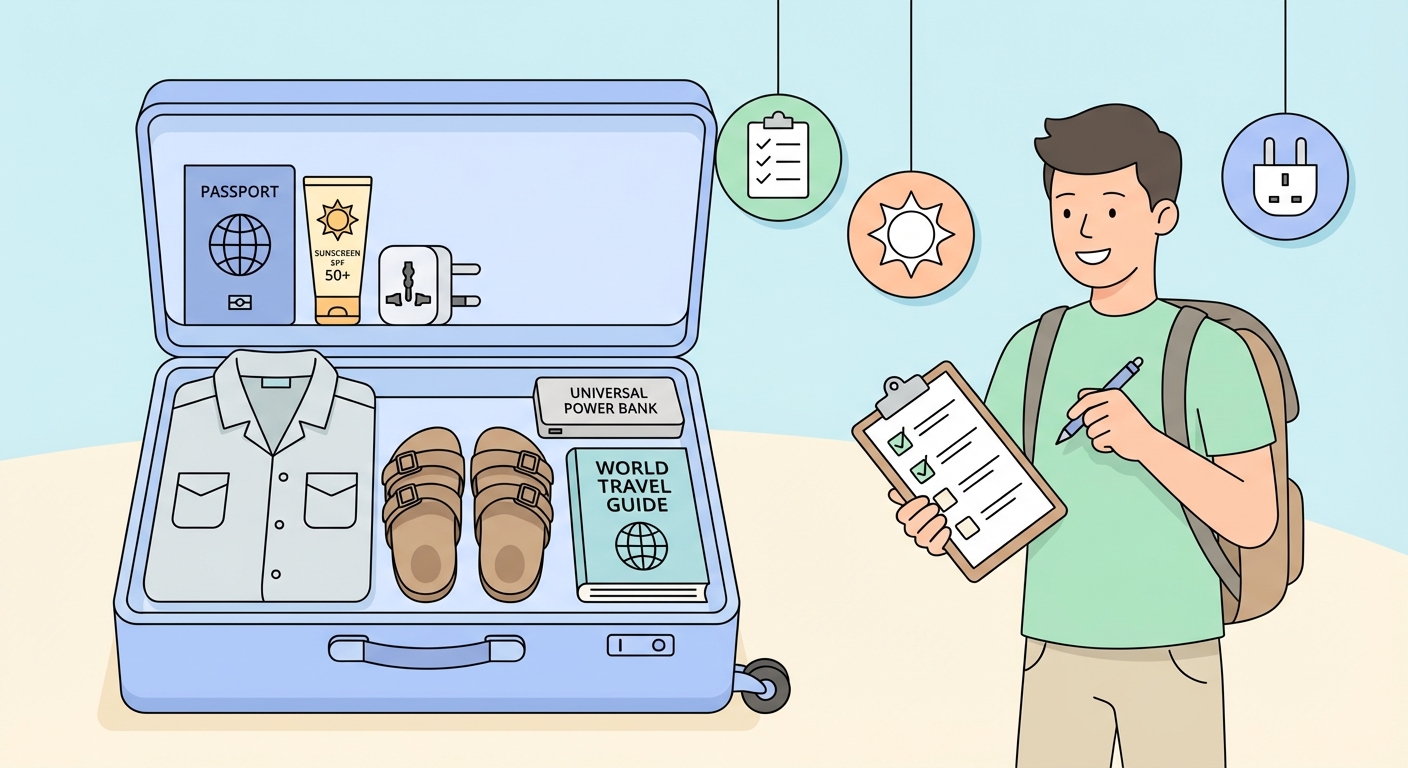
Mexico's climate ranges from tropical beaches to high-altitude mountain cities — packing depends on your itinerary. These essentials cover most combinations.
- High-SPF sunscreen — Mexico's UV index is high, particularly at coastal and high-altitude locations. Pack reef-safe sunscreen for cenotes and Caribbean beaches where chemical sunscreens damage ecosystems.
- Layers for high-altitude cities — Mexico City (2,240m), Oaxaca and San Cristóbal de las Casas get cold at night year-round. Pack a warm jacket for evenings.
- Cash in Mexican pesos — While cards are accepted in tourist areas, street food vendors, markets and rural villages are cash-only. ATMs are widely available in cities; use bank ATMs rather than independent machines to avoid skimmers.
- Modest clothing for churches — Mexico is a predominantly Catholic country. Shoulders and knees should be covered when visiting churches and colonial cathedrals.
- Water purification tablets or a filtered bottle — Tap water is not safe to drink in Mexico. Buy bottled water or use a filtered bottle — restaurants and hotels should always provide filtered water for drinking.
- Your uPhone eSIM — Connects to Telcel's network, Mexico's largest carrier, with 4G coverage in cities, resort areas and major highway routes. Essential for navigation in unfamiliar cities and getting a Uber or DiDi.
Frequently Asked Questions
Everything you need to know about your Mexico eSIM
Need help? We're here for you.
Questions before or during your trip — our support team is always available via live chat and email. Typical response time under 2 minutes.
Chat with us
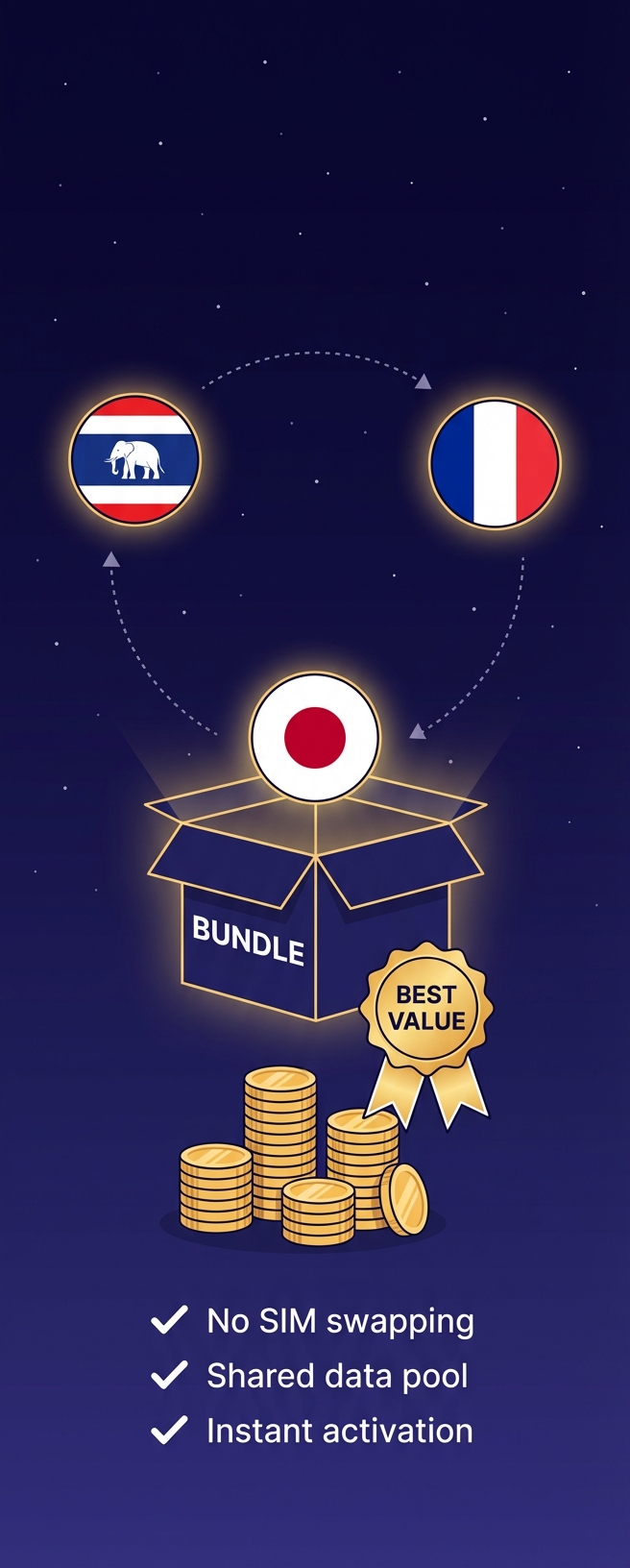
Bundle Mexico with other nearby countries.
Multiple countries.
Other uPhone eSIM destinations
Explore eSIM plans for more countries around the world.