🇲🇷 eSIM for Mauritania
- Unlimited data
- 7-day validity
- Fast and reliable internet
- No more roaming charges
- Instant QR code by email
* As low as price reflects the cheapest per-day rate, based on the longest available unlimited data plan duration.





Why choose us?
See how uPhone compares with other options in Mauritania.
eSIM prices for Mauritania
All prices in USD
7 days of unlimited data in Mauritania costs $269.70 — about $38.53 a day on Moov Mauritel, Chinguitel or Mattel, with no roaming charge and no SIM to swap.
Which networks you connect to in Mauritania
Your eSIM roams onto Mauritania's own operators. These are the networks and the frequencies they run — check your phone supports them before you travel.
Coverage in Mauritania
Mobile coverage concentrated along Nouakchott–Nouadhibou corridor and southern regions; vast Saharan interior has no service outside settlement perimeters. 3G remains the fallback layer on all networks outside major cities.
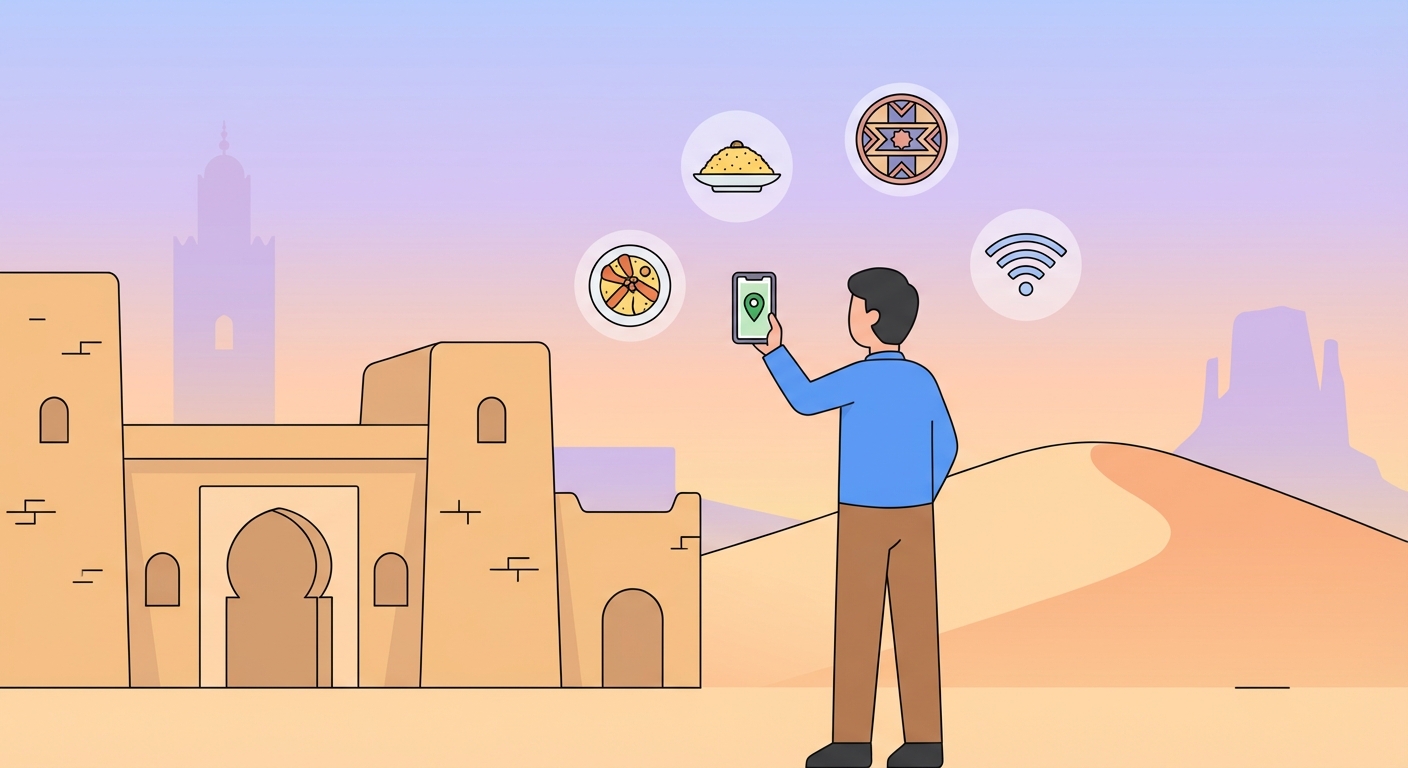
Enjoy your Mauritania vacation
Mauritania is a captivating West African destination where vast Saharan landscapes meet Atlantic coastal beauty, offering travelers an authentic and less-visited experience. From the mesmerizing dunes of the Sahara to the colonial charm of Chinguetti and the abundant wildlife of Banc d'Arguin National Park, this nation rewards adventurous explorers with breathtaking natural wonders and rich cultural heritage. The warm hospitality of Mauritanian people and the country's unique blend of Arab, Berber, and African influences create unforgettable memories. Keep connected throughout your desert adventures and coastal explorations with a uPhone eSIM, ensuring seamless communication from the moment you arrive.
Top attractions in Mauritania
Mauritania's diverse attractions span ancient trade routes, pristine natural reserves, and dramatic desert landscapes that showcase the country's remarkable geography and history.
- Banc d'Arguin National Park — A UNESCO World Heritage Site featuring pristine beaches, islands, and exceptional birdwatching opportunities with thousands of migratory species.
- Chinguetti — A historic medieval oasis town famous for its well-preserved Islamic libraries and traditional architecture nestled in the Sahara.
- The Eye of the Sahara (Richat Structure) — A stunning geological formation visible from space, offering surreal landscape photography opportunities in the desert.
- Nouakchott Beach — The capital's Atlantic coastline perfect for relaxation and experiencing Mauritania's blend of colonial and modern culture.
- Atar and the Adrar Region — A picturesque mountain area with dramatic rock formations, ancient caves, and traditional Berber settlements.
Popular foods to try in Mauritania
Mauritanian cuisine reflects Saharan and coastal traditions, emphasizing hearty, flavorful dishes that sustain travelers through desert journeys. The cuisine combines fresh seafood, slow-cooked meats, and aromatic spices with a strong emphasis on hospitality and communal dining.
- Thieboudienne — A beloved West African dish of seasoned fish and rice cooked in a rich tomato-based sauce.
- Maafe — Tender meat stewed in a creamy peanut sauce served with rice, offering warming comfort food.
- Harira — A traditional thick soup made with meat, legumes, and spices, often served during Ramadan and special occasions.
- Méchoui — Succulent slow-roasted lamb or goat seasoned with spices, a festive dish prepared for celebrations.
- Couscous — Fine semolina grains steamed and served with vegetables, meat, or fish in aromatic broths.
Best time to visit Mauritania
The best time to visit Mauritania is between November and February when temperatures are moderate, ranging from 20-28°C (68-82°F), making desert exploration and coastal activities enjoyable. During these winter months, humidity is lower and rainfall is minimal, providing ideal conditions for trekking, wildlife viewing, and visiting remote oasis towns.
The hot season from March to October brings intense heat exceeding 40°C (104°F) and uncomfortable humidity along the coast, though fewer tourists mean better deals on accommodations. The rainy season (August-September) can bring flash flooding to desert areas, making some routes impassable, so planning ahead is essential if traveling during this period.
What to pack for your visit to Mauritania
Mauritania's extreme desert climate and remote locations require thoughtful packing to ensure comfort and safety throughout your journey. Prepare for intense sun, temperature fluctuations, and minimal access to supplies in remote areas.
- High SPF Sunscreen and Lip Balm — The Saharan sun reflects intensely off sand and requires constant UV protection to prevent severe burns.
- Lightweight, Loose Clothing — Long sleeves and pants protect from sun exposure and are culturally appropriate in this predominantly Muslim nation.
- Sturdy Desert Boots — Essential footwear for navigating rocky terrain, sand dunes, and protecting feet from extreme ground temperatures.
- Water Bottles and Hydration Tablets — Carrying 2-3 liters of water daily is critical in the Sahara, with tablets helping purify water from uncertain sources.
- Headscarf or Turban — Protects from sun, wind, and blowing sand while showing respect for local customs.
- Your uPhone eSIM — Stay connected with coverage from major local providers including Moov Mauritel, Chinguitel, and Mattel, offering reliable connectivity even in remote desert regions.
Frequently Asked Questions
Everything you need to know about your Mauritania eSIM
Need help? We're here for you.
Questions before or during your trip — our support team is always available via live chat and email. Typical response time under 2 minutes.
Chat with us
Other uPhone eSIM destinations
Explore eSIM plans for more countries around the world.